Skiing’s corner of social media can feel unforgiving, but real-life ski culture often feels surprisingly welcoming.
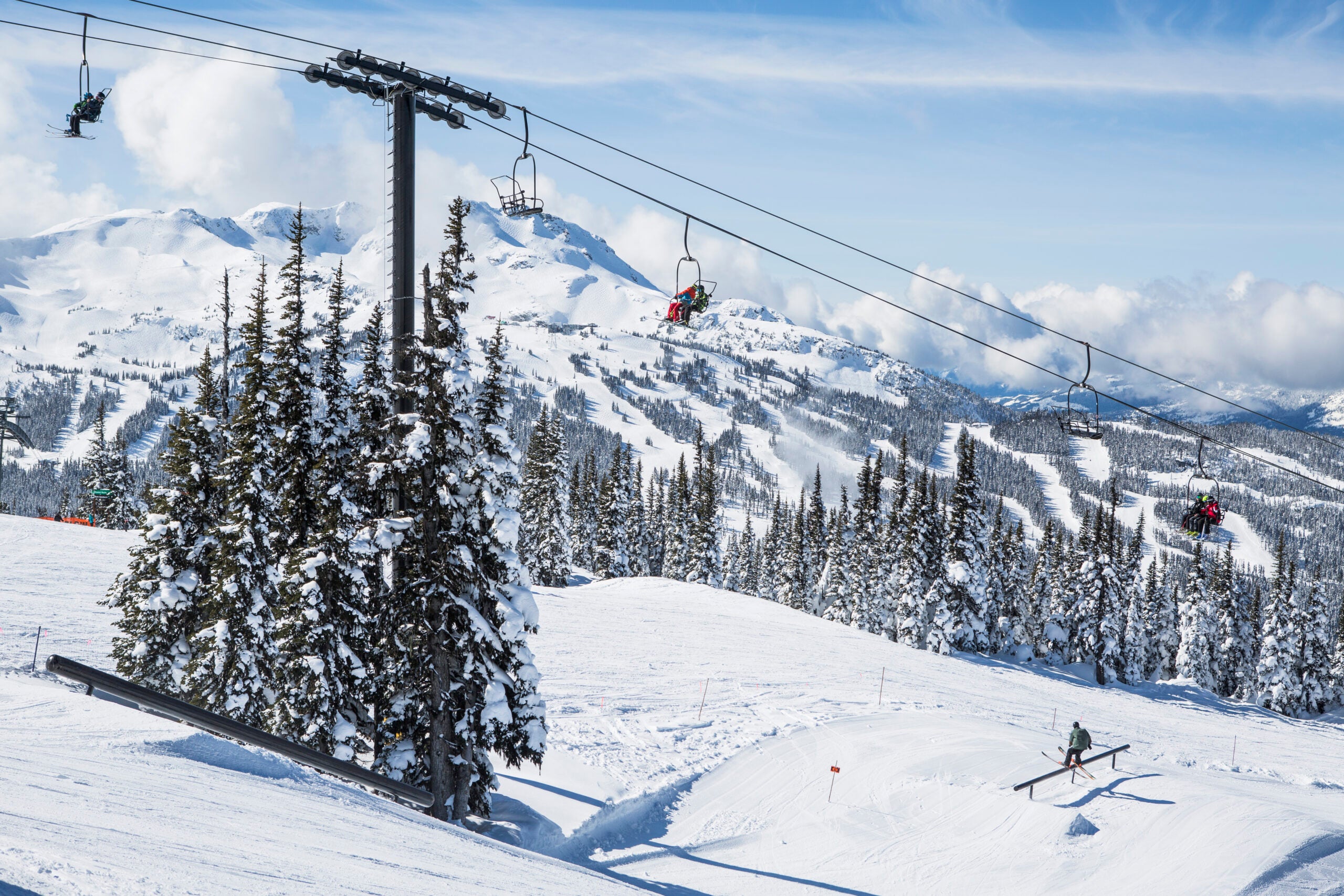
Scenic photo of Whistler mountain and Blackcomb terrain park. (Photo: Getty Images)
Updated June 11, 2026 01:30PM
Cost and access are often framed as skiing's biggest barriers. But perception—which is shaped online long before someone ever clicks into a pair of skis—may be just as powerful. Scroll through the wrong corner of the internet and the sport can look brutal: hierarchical, judgmental, quick to shame. Beginners are “Jerrys.†Mistakes are content. Comment sections turn into pile-ons. If that's your first exposure to skiing, anyone would be apprehensive to get on the mountain.
But load onto a chairlift, and the story changes. Which makes us wonder, why is skiing's online presence so viscerally different from its lived experience? We delved a little deeper to find out.
How Ski Videos Shape Our Perception
Documenting the ski experience on video has always been a tradition of the culture, from grainy VHS edits to GoPros to today's endless scroll of clips on Instagram. What's new is who's picking up the camera. A growing number of creators are sharing what it looks like to learn as adults—the awkward turns, the wins, and slow, satisfying progress—and creating spaces to inspire others to do the same.
    Also Read: Vail CEO Rob Katz on Why Skiing Must Become More Inclusive to Grow
It shouldn't be controversial, yet visit the comment sections of these creators, and they're filled with self-appointed gatekeepers quipping mean jokes. To an outsider, skiing can look like a battleground, but I don't believe that's reflected in on-hill culture.
Monica (@monimonarch) is a creator aiming to cultivate a safe space for new skiers by sharing gear tips and techniques that have helped her learn. Spend a few minutes in her comments, though, and a different narrative emerges. “If someone's first exposure to skiing is TikTok or Instagram comments,†she tells us, “they're usually being told a very specific story: that skiing has a hierarchy—and that beginners are fair game for ridicule.â€
And sometimes it goes far beyond that.
Mirna Valerio (@themirnavator), a plus-size Black woman learning to ski in her 40s, has documented her progression with honesty and humor. For that, she's faced not just the occasional “Jerry†comment, but racism, sexism, and body shaming. “If I were someone else,†she admits, “I probably would steer clear from any snow sports in an effort to protect my emotional well-being.â€
Nelson Holland (@fatblackandgettinit), who is also learning as an adult, has seen the same pattern. “People see the comments and start to believe that if they show up and don't know what they're doing, they're going to get judged,†he says. “It stops people before they even try.†Before setting foot on the slopes, Holland says that he never imagined that there would be so many beginners out there.
Monica, Mirna, and Nelson are expanding who is visible in skiing online, and challenging the very idea that the sport belongs to a narrow group. And in doing so, they've noticed that the narrative changes once they're actually on the slopes.
Skiing's Image vs. Reality
Nelson remembers dropping into moguls for the first time this past season. It wasn't clean. It wasn't fast. But when he made it through, strangers at the bottom cheered. No one asked how long he'd been skiing or critiqued form. They just recognized the moment.
    Related: The Ski Industry Has Been Losing Beginners for Decades. Here's One Solution.
“Folks on the mountain can be, and often are, awesome†agrees Mirna, with Monica chiming in that the reality is much more promising than the online version. “The hostility that feels so pervasive in comment sections rarely translates to real interactions on the hill,†she says.
Myranda Hausheer (@myrandainthemountains) is a beginner skier who posts unapologetically about her experience learning to ski. When asked why she feels people are so different online, she simply answers “People feel a lot more confident hiding behind a screen.â€
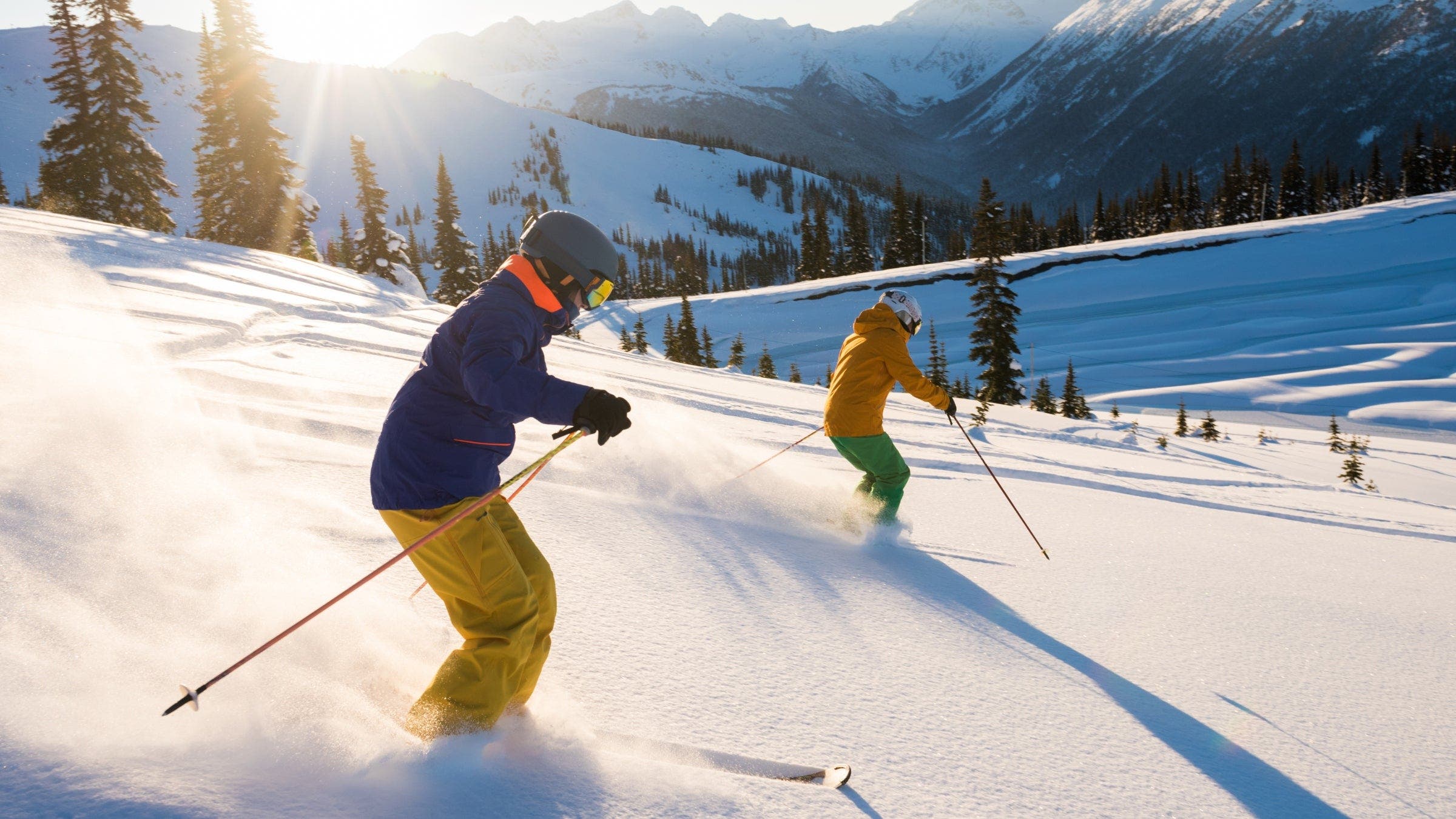
While those people don't magically disappear, they're less vocal in real life, and outnumbered by something else—the small, unremarkable acts of encouragement that rarely make it into a comment section. A tip on a chairlift. A “you've got this†from a stranger. Shared laughter after a fall.
For Myranda, skiing gave her a love of winter. For Monica, it showed her how capable she is, which translated into success in other aspects of her life. These are qualities that all the creators want to motivate others to experience. People who never try don't just miss out on a fun sport: they miss building confidence through community. Nelson tells me he had a ski instructor who put skiing into perspective for him: “We're sliding down mountains on sticks. Most people even after decades are still just figuring it out.†This is the crux: how good you are at sliding on sticks doesn't matter, but what it offers does.
That sense of community exists on the hill, on chairlifts, in shared runs, and in the après bar afterwards. It lives in moments like Nelson being cheered through his first mogul run. If skiing feels exclusive, it may be because we're looking at it through a screen. The most inclusive version of the sport isn't found in any comments section, it's found on the hill.