
The Supreme Court denied Alabama's request to execute a man using nitrogen gas late Thursday after two lower court rulings blocked the method and found it violates the constitutional ban on cruel and unusual punishment.
Subscribe to read this story ad-free
Get unlimited access to ad-free articles and exclusive content.

The state had filed for an emergency order just hours ahead of the execution of Jeffery Lee, 49, scheduled for 6 p.m. Thursday local time.
Justices Clarence Thomas, Samuel Alito and Neil Gorsuch noted their dissent and would have granted the state's request to overturn the lower courts.
Lee, who was convicted of murdering two people in a 1998 pawnshop robbery, is effectively spared from being put to death via nitrogen, but the state can still try other methods, and it's unclear how quickly it would seek viable alternatives.
“Tonight's ruling is a miscarriage of justice, not for us, but for Jimmy Ellis and Elaine Thompson, who Jeffery Lee brutally and senselessly murdered,†Attorney General Steve Marshall said. “I want their families to know that we will never stop seeking justice for Jimmy and Elaine.â€
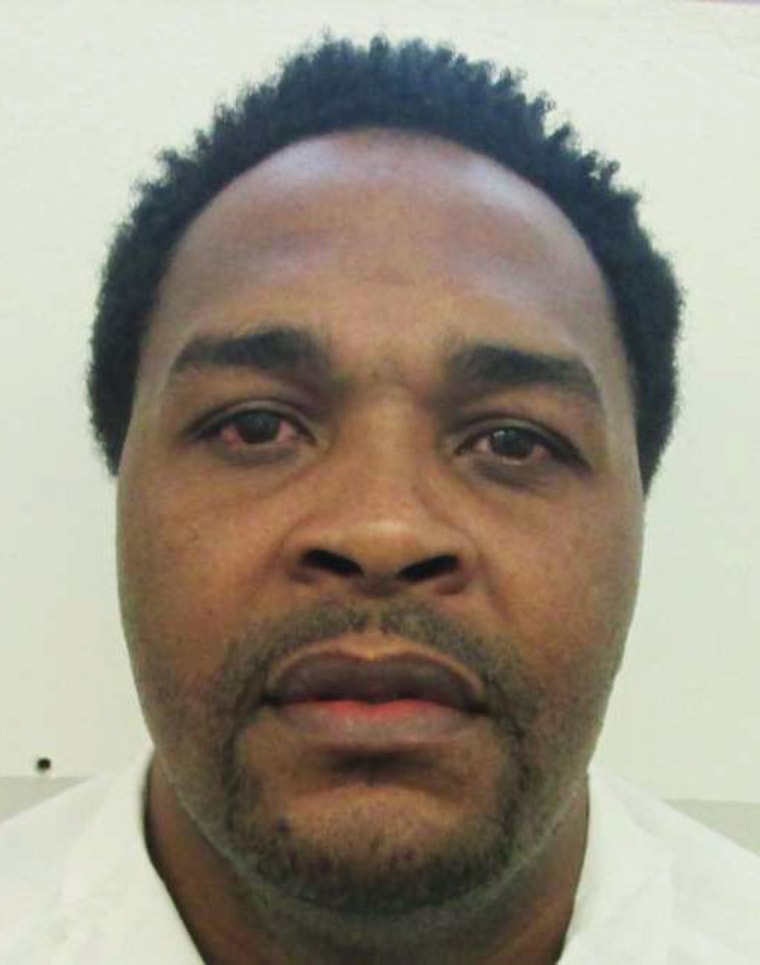
Gov. Kay Ivey said in a statement that the state can still reschedule Lee's execution.
“While I am disappointed the Supreme Court did not allow the state to proceed with Lee's chosen method of execution, I remain committed to ensuring that justice is ultimately served for his victims,†Ivey said, noting that Lee elected nitrogen over lethal injection in 2018, years before the state had developed a nitrogen protocol.
Last year, Lee filed a legal challenge to the nitrogen protocol, and instead asked to die by firing squad, a method not legal in Alabama.
Whether or not the state could execute Lee, who has been on death row for more than 25 years, by nitrogen gas was the question at the heart of his litigation that came to a head this week.
On Monday, a federal district judge in Alabama initially found the method was constitutional. Lee's legal team appealed, and the 11th U.S. Circuit Court of Appeals reversed the opinion, saying nitrogen executions most likely violate the Eighth Amendment's ban on cruel and unusual punishment, and ordered the district court to rule on the feasibility of a firing squad execution.
When both the district and appeals courts ruled in favor of Lee, the state filed an application for an emergency order to the Supreme Court.
The high court has upheld other methods of execution throughout the country, including lethal injection, electrocution and firing squad, but nitrogen gas has been the subject of intense litigation since Alabama became the first state to begin using it in early 2024.
The method of nitrogen hypoxia requires prisoners to breathe in the gas through an industrial-grade mask while they are strapped to a gurney and deprived of oxygen. In its filing to the Supreme Court on Thursday, the state said the method “rapidly causes death,†describing the process as “humane, painless, effective, and reliable.â€
Death penalty opponents, however, have criticized it as torturous. The American Thoracic Society also filed a brief in opposition to the state, saying “nitrogen hypoxia executions cause intense, inhumane suffering.â€
Witnesses have described the condemned person shaking on the gurney, struggling against restraints and gasping for air. According to media witnesses, it took 30 minutes for Anthony Boyd, who was convicted of helping burn a man alive in 1993, to be declared dead during the last nitrogen execution in October.
The Supreme Court declined to intervene in that case. Justice Sonia Sotomayor wrote a nine-page dissent, joined by Justices Elena Kagan and Ketanji Brown Jackson, saying “firsthand accounts from those executions reveal that nitrogen hypoxia is not at all what it was promised to be.â€
“Boyd asks for the barest form of mercy: to die by firing squad, which would kill him in seconds, rather than by a torturous suffocation lasting up to four minutes,†Sotomayor said. “The Constitution would grant him that grace. My colleagues do not. This Court thus turns its back on Boyd and on the Eighth Amendment's guarantee against cruel and unusual punishment.â€
Alabama has executed seven prisoners using nitrogen, while Louisiana has executed one. Alabama's primary method of execution remains lethal injection, which it last carried out in April 2025, but sourcing the drugs has been difficult in the last several years.
The Rev. Jeff Hood, the spiritual adviser for two of the men who were executed in Alabama with nitrogen gas, reacted to the Supreme Court's denial Thursday.
“This is the beginning of the end of the most horrific execution method this country has ever devised,†he said.
Lee was found guilty in 2000 of the murders of Jimmy Ellis and Elaine Thompson and the attempted murder of Helen King during the robbery west of Montgomery.
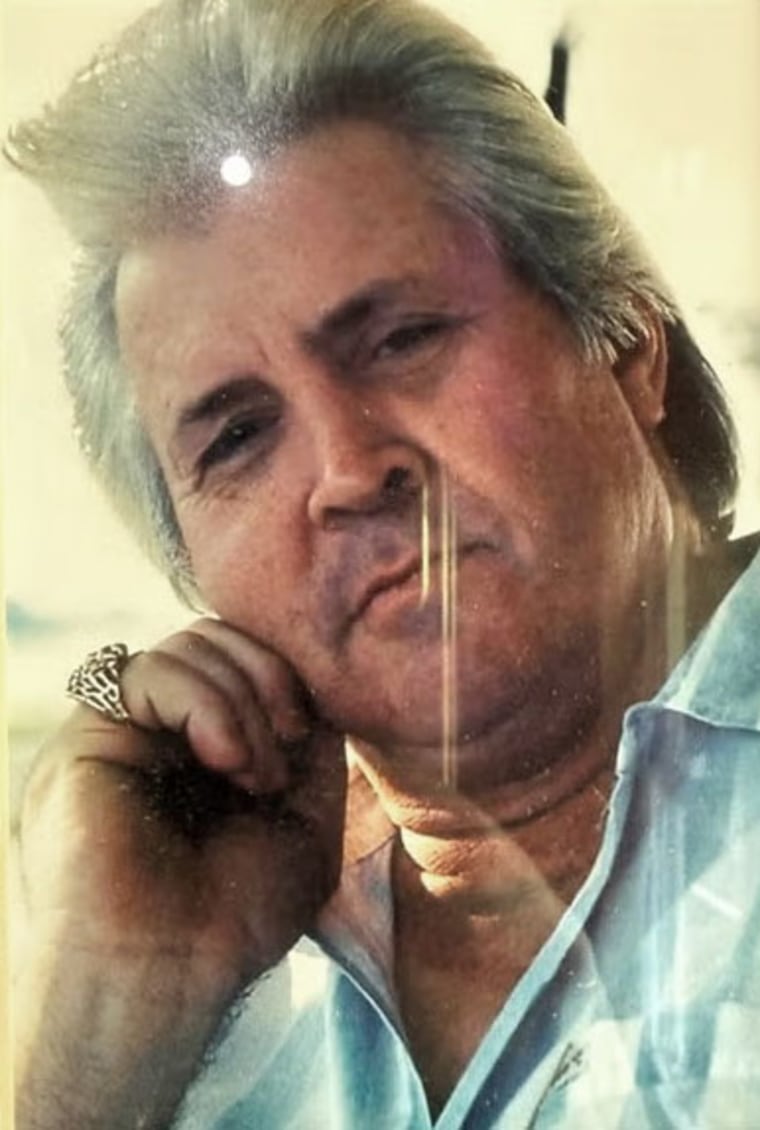
On Dec. 12, 1998, Lee, then 21, visited Jimmy's Pawn Shop with his brother and cousin, saying he was looking at wedding rings for his girlfriend. After browsing, he said he didn't have money on him and left. Minutes later, he re-entered the store with a sawed-off shotgun, shot and killed Ellis and Thompson and wounded King, authorities said.
Over his nearly three decades on death row, Lee says, he is remorseful for his actions and has found redemption through his devotion to Jesus Christ.
“God — he's not finished,†Lee told NBC News in a phone interview Tuesday from the Holman Correctional Facility in Atmore. “He's still working, not only on my behalf, but on the other brothers' behalf that are still facing this situation.â€

Lee's legal team has asked Ivey, the governor, to commute his sentence, in part because a judge sentenced Lee to death in 2000 after a majority of jurors instead voted that he get life without parole. The practice known as “judicial override†was banned in Alabama in 2017, but previous cases such as Lee's were not included.
The legal team said Thursday night that “the Constitution prevailed.â€
“Now Governor Ivey can finish what the jury started: restore the jury's verdict of life without parole,†the team said in a statement.