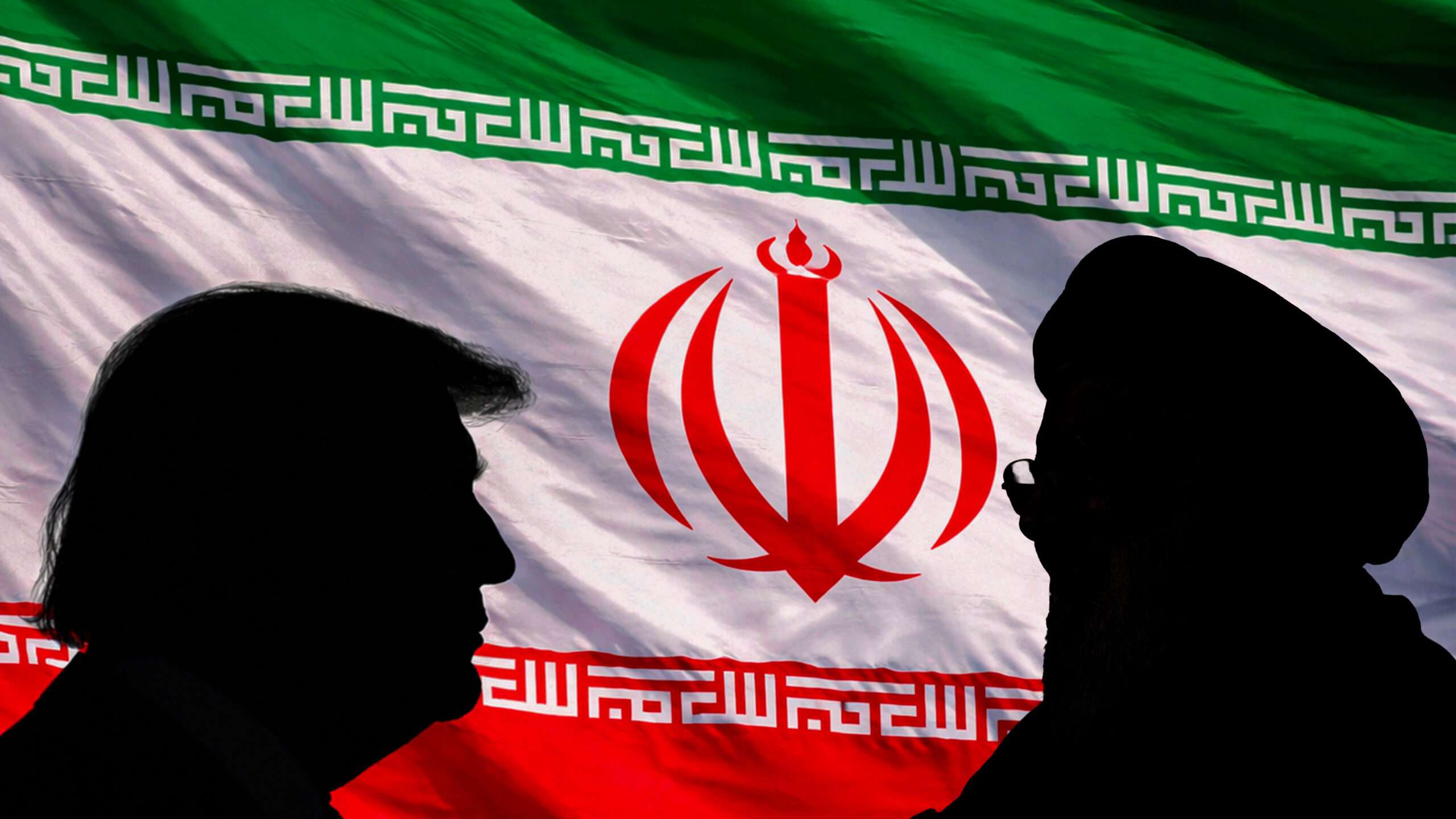

Israeli Prime Minister Benjamin Netanyahu has criticized the country's military chief over the disclosure of details relating to a planned large-scale strike on Iran that was reportedly canceled shortly before it was due to begin.
According to Israeli news website Ynet, Netanyahu on Tuesday rebuked Chief of Staff Eyal Zamir after new information emerged about an extensive operation against Iran that was halted roughly an hour before Israeli fighter jets were scheduled to take off.
The controversy followed a letter from the commander of the Israeli Air Force referring to a major wave of planned attacks against Iran that was called off at the last minute. Netanyahu reportedly said the details should not have been made public, describing the disclosure as a “national mistake†that undermined unity and caused embarrassment in relations with U.S. President Donald Trump.
The incident comes amid growing differences between Washington and Tel Aviv following the recent U.S.-Iran understanding aimed at reducing tensions and launching further negotiations. The agreement focuses on maintaining a ceasefire, reopening the Strait of Hormuz and advancing discussions on Iran's nuclear programme and sanctions relief.
In recent days, Trump has publicly criticized Israeli military operations in Lebanon and voiced frustration with Prime Minister Netanyahu. During remarks on the sidelines of the G7 summit, Trump said Israel had gone “too far†in some operations and claimed that Israel's survival was owed to his presidency and U.S. support.
Israeli officials have expressed concerns that the emerging U.S.-Iran diplomatic track could ease pressure on Tehran without fully addressing Israel's security demands, particularly regarding Iran's nuclear activities and regional influence. The issue has intensified debate within Israel's political and security establishment over the country's strategy toward Iran.
The leaked details of the aborted strike have added to tensions at a sensitive moment, as Israeli leaders seek to balance security considerations, relations with Washington and domestic political pressures while developments surrounding Iran continue to reshape the regional landscape.