
The first major crisis in Yosuke's life came when he stood in front of his students.
Until then, the 24-year-old had navigated his life with few obstacles. He had done well in school, scored highly on IQ tests and graduated from university without any major issues. But after securing his dream job as a geography and history teacher at a girls' high school two years ago, cracks began to show.Â
“I couldn't read the room,†says Yosuke, who recalls struggling to organize course materials and wrap up classes on time. He asked that only his first name be used to protect his privacy.Â
“I had always been obsessed with small details of things and had few friends,†he says. “But that was the first time I really struggled.â€
After his employer suggested he seek help, he visited a psychiatrist and quit his job. A few months later, while working at a new job dispatching carpenters to construction sites, he received a diagnosis of autism spectrum disorder, or ASD.
“I felt like the world crumbled in front of me,†he recalls. “I had always thought I was normal, but now I was being told I had a developmental disability. I found it hard to accept.â€
ASD is a neurological and developmental disorder that affects how people communicate, learn and behave. Previously categorized into separate disorders such as autism and Asperger's syndrome, ASD is now understood as a spectrum with varying traits, challenges and support needs.Â
Yosuke recalled the experience during a recent interview at the rehabilitation center of Showa Medical University's Karasuyama Hospital in Tokyo's Setagaya Ward.Â
He had just taken part in a twice-monthly session for adults with ASD organized by the center's mental health care professionals. The program is aimed at helping people understand their conditions, share experiences with others facing similar challenges and find coping strategies that work for them.
For neurodivergent adults such as Yosuke, the program — consisting of 20 sessions and aimed at working adults in their 20s and 30s who have received a diagnosis — offers relief that can be difficult to find in Japan, despite increasing demand for such services. The need is especially acute for people who grow up unaware of their traits until they enter the workforce or begin planning their careers.Â
The center offers several programs for adults with developmental disorders, including one targeting neurodivergent university students and another for people with attention deficit hyperactivity disorder (ADHD), a condition characterized by forgetfulness, hyperactivity and impulsiveness.
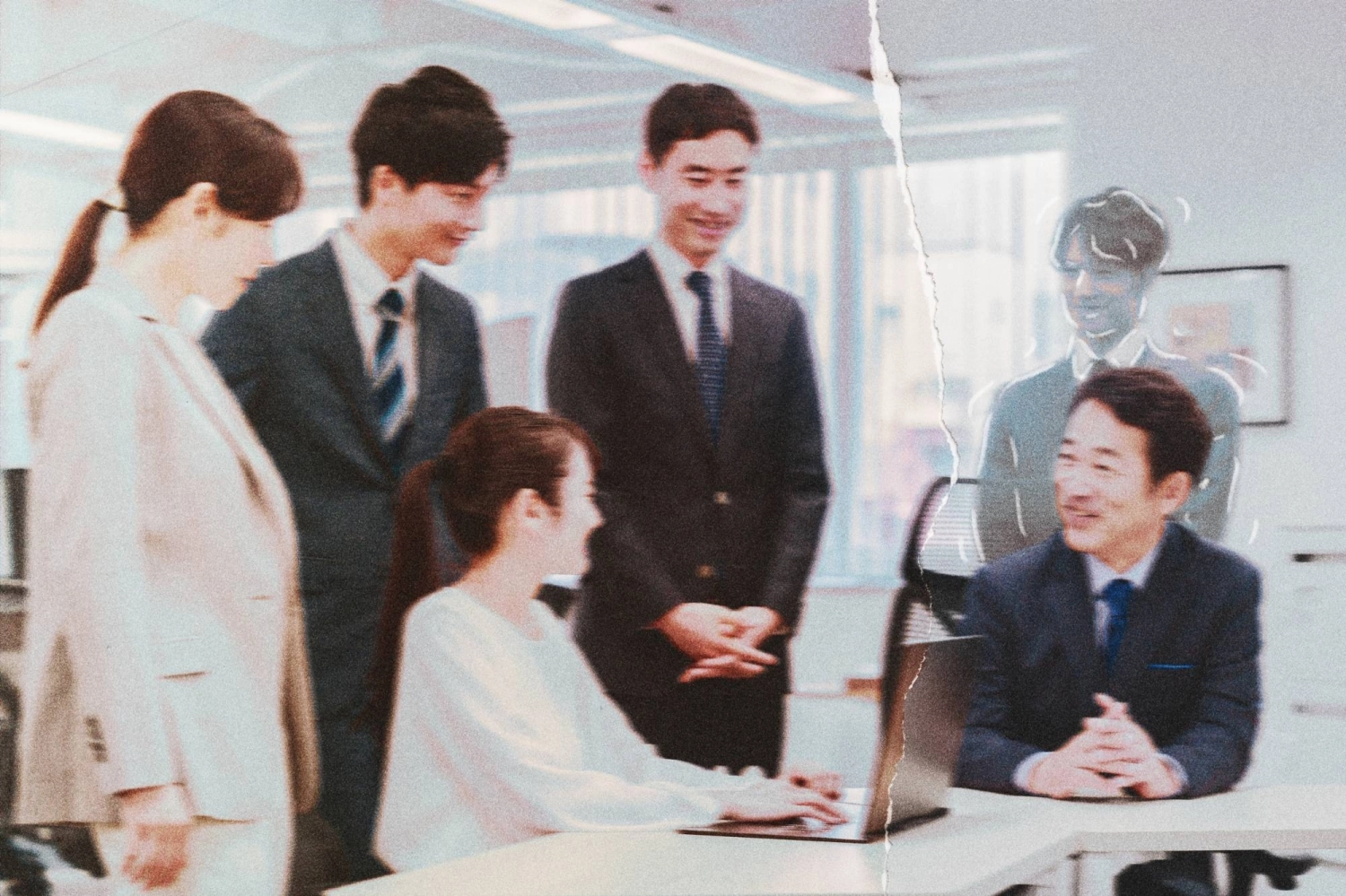
Neurodivergent employees often find themselves explaining their strengths and limitations to colleagues and supervisors, navigating workplaces that remain largely designed for neurotypical workers.
| ANNA PETEK
When Karasuyama Hospital opened its adult developmental disorder clinic in 2008, it filled a long-standing gap in care for people who had gone undiagnosed throughout childhood. One reason, according to clinic director Dr. Haruhisa Ohta, was that many did not have intellectual disabilities.
“Many had average or above-average intelligence,†Ohta says. “Clinicians working with children and adolescents were more likely to encounter what were considered typical presentations of autism or ADHD. The people who came to our clinic, by contrast, often had no intellectual impairment and had long been viewed as having personality problems, character flaws or educational issues rather than developmental disorders.â€Â
Over the years, however, Ohta says doctors have become increasingly aware of the risk of overdiagnosis: Not everyone who arrives at the clinic convinced they have ASD or ADHD is found to have either condition. At Karasuyama Hospital, about 45% of people who visited the clinic between 2008 and 2017 were diagnosed with ASD or ADHD. The rest were diagnosed with a range of mental health conditions, including adjustment disorder, anxiety and personality disorders.
Nevertheless, demand for support for people with ASD and ADHD is likely to grow. A 2022 education ministry survey found that 8.8% of elementary and junior high school students may have a developmental disorder, many of whom may continue to face challenges into adulthood.
Learning together
Every session of the ASD program starts with an icebreaker in which each attendee shares what's been happening in their life. Topics are open, and the conversation ranges from an overbearing boss at work or a cat that keeps peeing on the sofa to a movie someone saw over the weekend.Â
The discussion then shifts to the day's theme. During one session in May, participants focused on “assertion,†where the goal was to learn how to consider others' feelings before expressing their own opinions.
Participants then broke into groups of three for a role-playing exercise. One played a friend or co-worker who was upset about not being invited to an outing, while another explained that they hadn't extended an invitation because the person seemed busy. The third participant observed the exchange and offered feedback.
Through the exercise, participants learn to wait until the other person has finished talking before responding. They then practice expressing their opinions or feelings with a preface such as, “Excuse me, but … .â€
The atmosphere of the session is relaxed and supportive, reinforced by the group's rule against criticizing other members. Takeru Mizuno, a psychiatric occupational therapist who facilitates the program, explains that while participants tend to be nervous at first, they gradually let their guard down as they continue meeting the same people every two weeks.Â
The program has evolved with feedback from participants. It now covers themes such as greetings; initiating, maintaining and ending conversations; facial expressions; emotional regulation; and stress management. Participants also learn about developmental disorders, available social services and the importance of peer support.

Through role-playing exercises and group discussions, participants can learn communication skills while building confidence in themselves and their abilities.
| ANNA PETEK
A woman in her mid-30s who had been diagnosed with both ASD and ADHD says attending the program has helped her develop a more positive outlook.Â
The woman, who declined to be named for privacy reasons, says she has long struggled in social situations.Â
“I never fit in at school because my interests were so narrow,†she says. “For example, I had no interest whatsoever in romantic relationships, and classmates accused me of not sharing who I liked.â€
The woman, who majored in chemistry at university, now works as a computer programmer. While she was initially hired as a systems engineer, she had trouble organizing schedules and grasping the big picture of her projects. She recalls being so bothered by tiny details that she couldn't move her projects forward.Â
Her boss has told her off numerous times and is particularly harsh when work gets busy. “Even when I was working overtime until 8 p.m., my boss said, 'Are you even remotely interested in this job?'â€
Her mother and sister became so concerned about her that they booked an appointment for her at Karasuyama Hospital. When she received her diagnosis a few years ago, she thought it would reassure her parents.
“I was worried: What if I turned out not to have the condition?†she remembers thinking. “That would mean I was just incompetent.â€
Her self-confidence has taken a hit from a series of hurtful experiences. But since joining the program, she has gradually begun to feel better about herself and is more willing to take on things she had previously never imagined doing.
“I am amazed by other members who live on their own,†says the woman, who lives with her parents. “And now I've begun to think about the possibility of living by myself. It's not like I want to leave home now, but with my parents getting older, I may be forced to live on my own at some point. I'm learning how to cook from my mother. If I can master even a few dishes, it would help boost my self-confidence.â€
Stories like hers raise broader questions about how society responds to neurodiversity. Do neurodivergent people need to learn coping skills, or do the people around them need to change? More fundamentally, does Japan's emphasis on harmony, conformity and collectivism make life particularly difficult for those who think and operate differently?Â
Reading the room
Kikuchi, a 36-year-old data engineer who has ADHD and autistic traits, says he has struggled with what the Japanese call “kÅ«ki o yomu,†which translates as “reading the air†and involves interpreting nonverbal cues in order to adapt to different social situations. Â
“I feel that Japanese culture doesn't quite match my personality,†Kikuchi says during a recent interview at a Tokyo cafe after his appointment at Karasuyama Hospital. He asked to be identified only by his family name so he could discuss sensitive issues. “People who are good at their jobs can navigate through fuzzy social rules, but I think people with developmental disorders tend to struggle.â€

Researchers say cultural expectations around conformity and reading social cues can create additional challenges for some neurodivergent people in Japan.
| ANNA PETEK
Over coffee, Kikuchi comes across as cordial, calm and articulate, but he says this demeanor reflects his use of “social camouflaging,†an often unconscious coping mechanism that helps protect him from being hurt by others.
“I pretend to be normal,†he says. “I now unconsciously go out of my way to adjust my behavior, and I become extremely exhausted afterward.
Fumiyo Oshima, a professor of psychology at Chiba University, is an expert on social camouflaging, also known as “masking,†among autistic people. She describes it as the process of hiding neurodivergent traits in order to appear neurotypical.Â
“For example, they try to appear sociable by walking up to people and saying, ‘It's so hot today, isn't it?' even though they have no real interest in the topic at all,†she says. “In another example, autistic people are known to avoid eye contact, but they may deliberately force themselves to look people in the eye so they won't be perceived as autistic.â€
In a 2017 paper, British researcher Laura Hull wrote that while camouflaging likely occurs among people diagnosed with ASD and those with milder autistic traits, the experience is “extremely effortful and challenging to one's identity†for the former.Â
Inspired by Hull's work, Oshima has studied the impact of social camouflaging on autistic people's mental health across different cultures, including in Japan and Sweden. Her research suggests that autistic people in Sweden engage in far less social camouflaging than their counterparts in Japan, a difference she attributes to greater social acceptance.
A comparative study of autistic adults in the United Kingdom and Japan found that the more people camouflaged their autistic traits, the worse their mental health tended to be in the U.K. In Japan, by contrast, researchers found that both extremes carried risks: People who camouflaged very little and those who did so extensively reported poorer mental health than those who struck a middle ground.Â
Oshima believes cultural differences may explain the contrast.
“Because Japanese culture tends to value conformity and uniformity, people may feel a greater sense of security when they do the same things as everyone else,†Oshima says. “By contrast, Britain places a stronger emphasis on the individual, so people there may be more likely to ask themselves, 'Why do I have to do this?'â€
Oshima says early social inclusion is vital to the mental health of neurodivergent people and argues that greater awareness among the people around them is what is really needed.
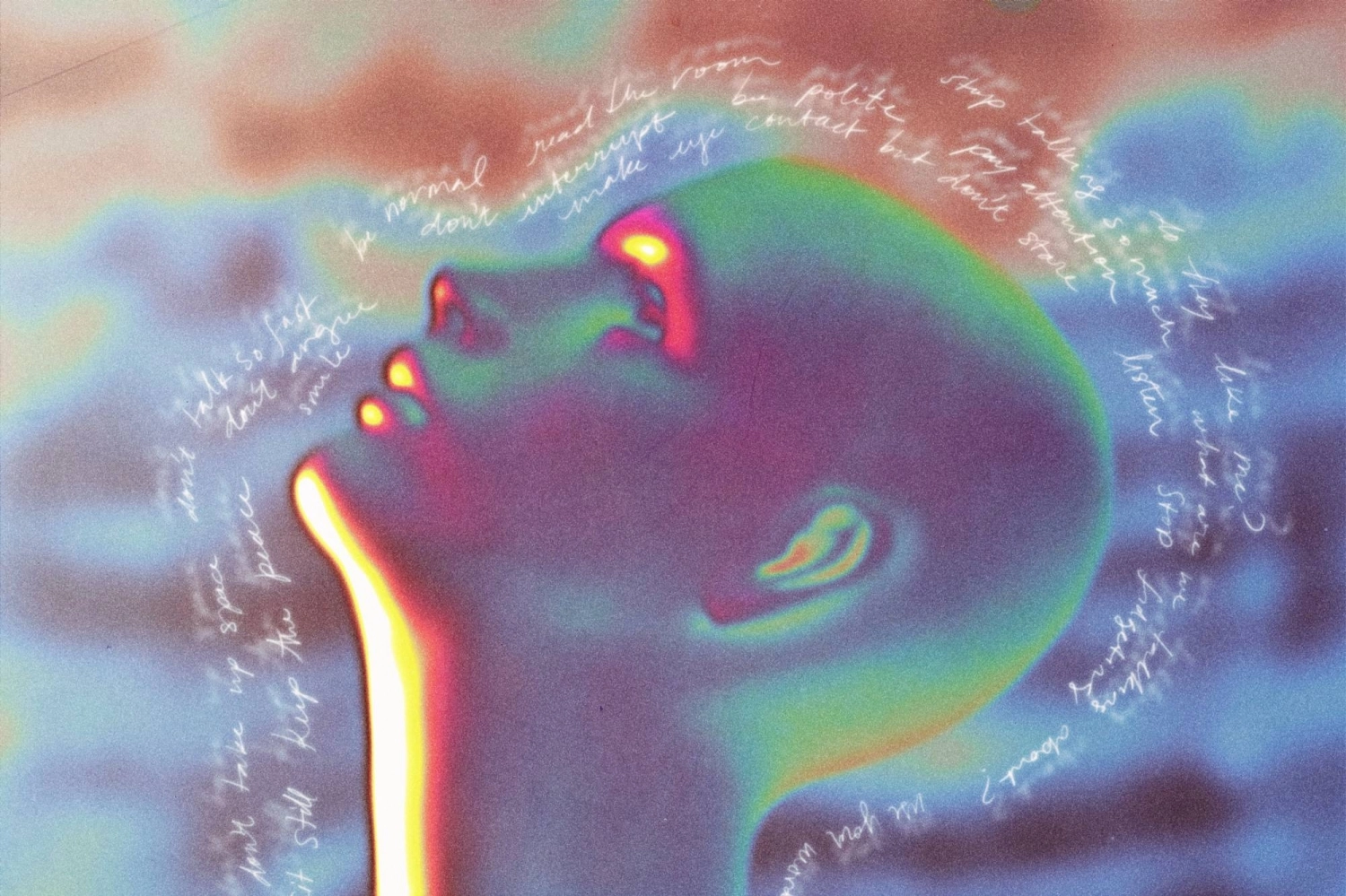
Experts argue that improving awareness among families, schools and employers is just as important as teaching neurodivergent people coping strategies.
| ANNA PETEK
“Research has found that social camouflaging tends to decrease when people feel accepted by those around them as they are,†she says. “That's why I want to focus on educating people around them. That could mean encouraging parents not to tell their children to 'be normal' and asking supervisors at work to provide reasonable accommodations.“Â
Interestingly, some aspects of Japanese culture may make life easier for autistic people, argues Gray Atherton, an assistant professor of psychology at the University of Plymouth who studies autism across different cultural contexts. She says the relatively limited use of eye contact and body language in everyday interactions can make Japan “more accommodating of autistic people.â€
“I would, for instance, predict that individuals with slightly elevated autistic traits (which we call the broader autism phenotype) would do quite well in aspects of Japanese life where traits such as attention to detail … would be highly rewarded,†Atherton says in an email.Â
“Of course, that is likely true in any culture if there is a good fit between that person's career, for instance, and their social style or preferences. But in general, I think that Japanese culture is structured in a way that traits we associate with autism are seen as strengths rather than weaknesses.â€Â
Yet Atherton says the collectivism seen in Japan may “make missteps by autistic people more costly.†She suspects this may be linked to the presence of hikikomori — people who become socially withdrawn and rarely leave their homes for extended periods. A 2023 government survey put the estimated number of hikikomori in Japan at 1.46 million aged 15 to 64, making up roughly 2% of the population in that age group.
“I am very interested in hikikomori individuals and suspect that such people would be highly likely to have elevated rates of neurodivergence,†she says. “Their withdrawal from society is likely a manifestation in many ways of the pervasive nature of conformity and their internal struggles with rejection on the basis of years of social missteps and in turn, anxiety.â€Â Â
For some neurodivergent people, their traits can become professional strengths.Â
Kikuchi works at a major company in Tokyo through its disability employment program. Though he majored in city planning at university, he learned how to analyze data by enrolling in a cutting-edge IT training program designed for neurodivergent people.

Advocates say earlier recognition of developmental disorders can help connect people with support before they begin to struggle at school or work.
| ANNA PETEK
From an early age, Kikuchi struggled with things that seemed to come naturally to his peers. He recalls going to school without his backpack and making other mistakes that left teachers and peers baffled. He was frequently scolded by instructors, bullied by classmates and suffered from clinical depression beginning in his teens. After becoming truant and repeating a year, he dropped out before eventually re-enrolling in a correspondence high school program.Â
While he feels fortunate to have found a talent for data analysis, Kikuchi says many people in Japan still do not realize that developmental disorders can affect adults as well as children.Â
“I find myself always having to explain what I can and cannot do in my job,†he says. “I feel like I am driving on an unpaved road.â€Â Â
Yosuke wishes his own struggles had been recognized earlier. He has a twin brother who was diagnosed with autism as a child, while his own diagnosis did not come until adulthood.
He initially found it difficult to attend the group work sessions at Karasuyama Hospital because he had not yet come to terms with his diagnosis. But Yosuke now says the peer support has been invaluable.
“Being alone has been the hardest part for me,†he says, adding that because of the group sessions, “I've learned how other people think differently and the very different lives they've led. But more than any coping strategies, what I value most is having people I can talk to every two weeks.â€
The experience has left him wondering how different things might have been if he had received support sooner.Â
“I look the same as my brother, but I wasn't diagnosed as a child,†he says. “I want doctors to diagnose people early. It's not something people easily recognize in themselves. And I want families, schools and employers to be understanding and work together to find ways to help.â€