
FARGO — John DuMarce didn't discover lacrosse until later in life.
“I didn't even know about lacrosse growing up in South Dakota. I had no idea,†DuMarce said. “I never saw it on TV, never saw it in a movie, I didn't really learn about it until we moved to the Fargo-Moorhead area in 2007 or 2008.â€
A Native American and member of the Sisseton-Wahpeton Oyate, DuMarce grew up in Sisseton, South Dakota.
After he and his family moved to the area, they quickly discovered and became involved with the Red River Valley Lacrosse Association.
“My boys were very young at the time, and they actually heard about (lacrosse) through some people who were already with the Polars,†DuMarce said. “I think they were a little young at the time, so we had to wait a little bit. I ended up getting the boys some little sticks, they practiced a little bit, and when they came of age, we signed them up and they’ve been playing ever since.â€
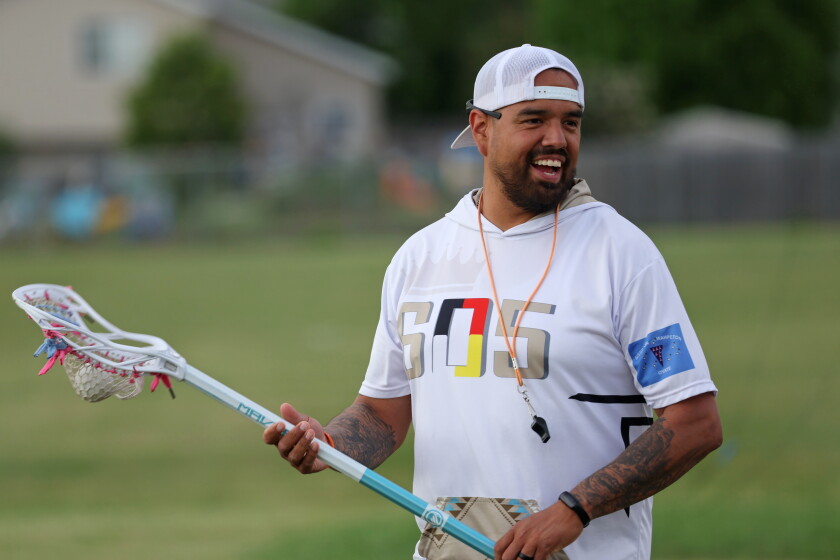
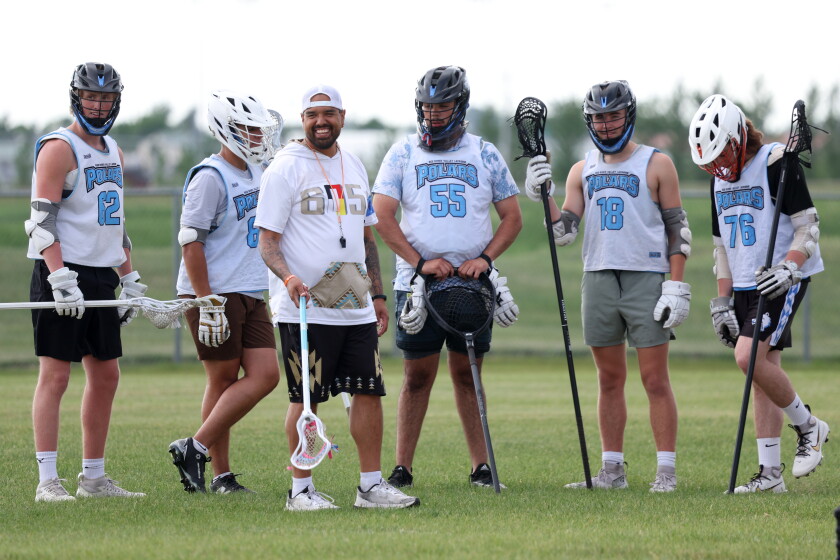
DuMarce is now an assistant coach for the Polars boys varsity team, while three of his four children — Quincy, Deion and Zoë — either have played or currently play lacrosse through RRVLA.
Lacrosse became a passion for the DuMarce family, and they soon learned the sport is also deeply rooted in Native American culture.
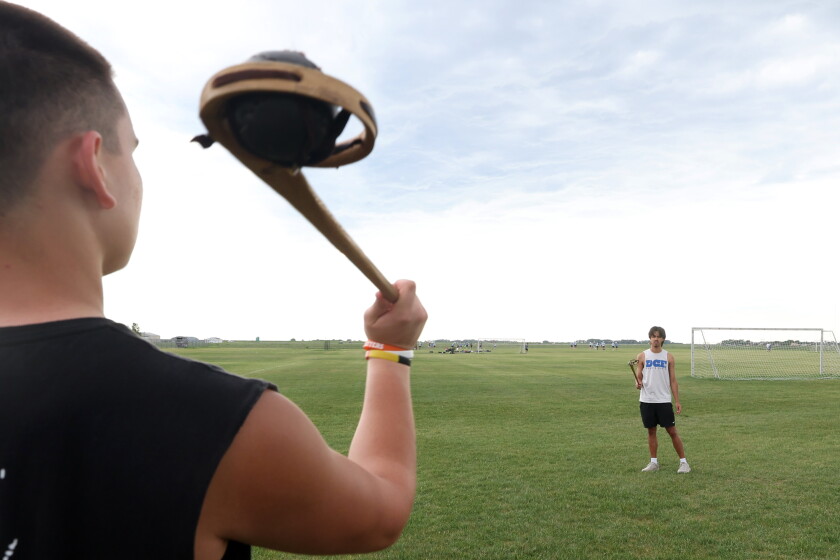
It's considered to be the oldest team sport in North America, with origins tracing back to the 12th century, when Native American tribes played it for spiritual and cultural purposes.
“It's traditionally called the Medicine Game or the Creator's Game,†DuMarce said. “It wasn't used as sport to begin with. It was used as a healing ceremony or more of a traditional ceremony for different tribes. They used it to heal community members, pray for community members, celebrate things within the tribe … they used it as conflict resolution between different tribes.â€
Northern Plains Lacrosse League Championship Weekend
Saturday, June 6 and Sunday, June 7
Cottonwood Soccer Fields, Bismarck
More information: Facebook.com/BisManLacrosse
Commonly known as “stickball†in that era, games featured anywhere from 100 to as many as 100,000 players, according to World Lacrosse. The only rules were that the ball could not be touched with the hands and that there were no boundaries. Natural features such as trees were used as goals, and games could span 500 yards to several miles.
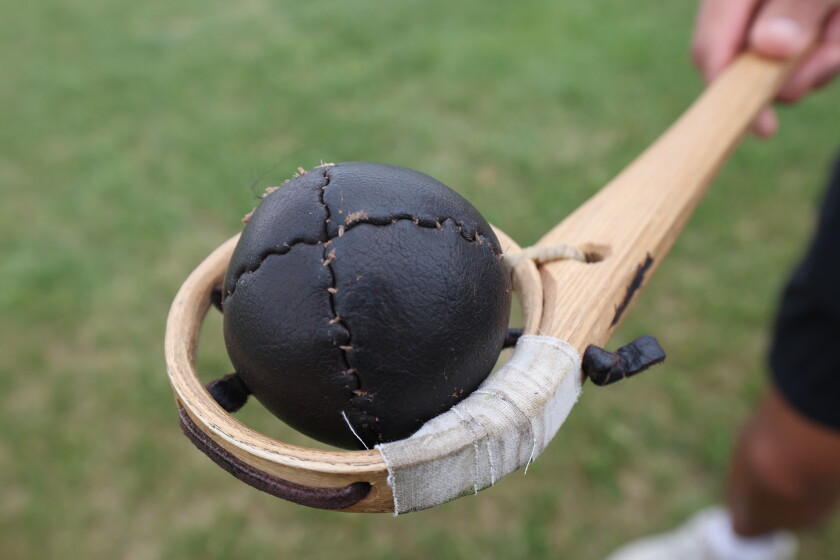
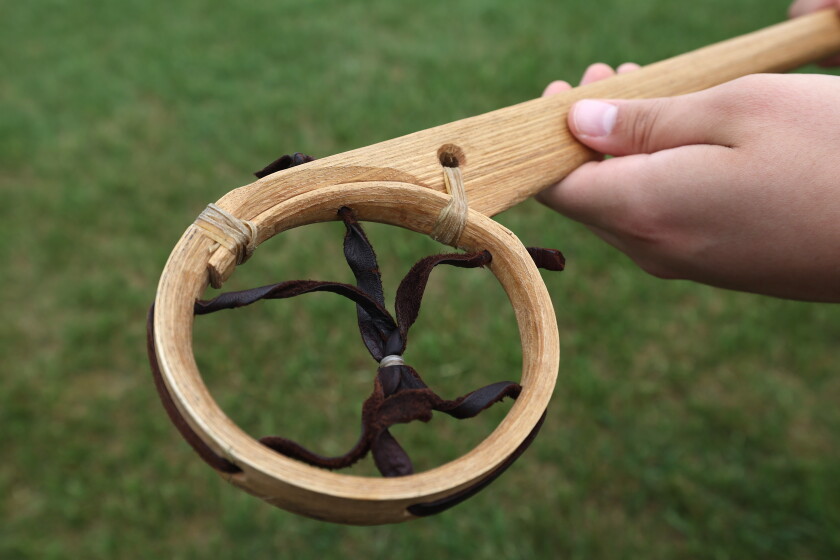
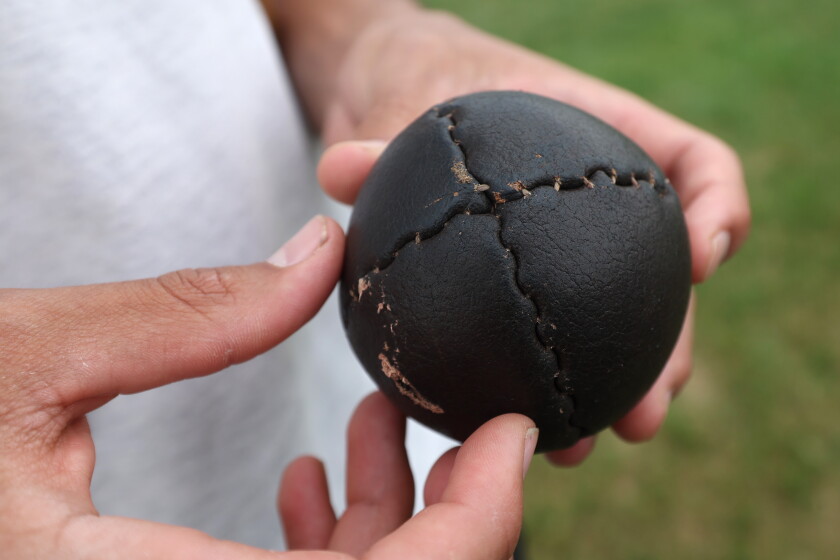
Wooden posts were later used as goals, while the original wooden balls were eventually replaced by fur-filled deerskin balls. The netting in traditional wooden sticks was often crafted from deer sinew.
European settlers in the 17th century observed and adopted lacrosse, eventually contributing to its modernization and wider recognition both in North America and across the globe.
Quincy DuMarce shared another tale of the sport's origins.
“The Creator, he gave this game first to the animals,†Quincy said. “It was the land animals versus the flying animals. There was one player who didn't know what team to be on, and that was the bat. He's kind of a mammal, but he also has wings and so, he didn't know what team to be on.
“The mammals were like, ‘We don't want (the bat) because he's really small, so the birds can have him.'â€
As it turned out, the bat was the unsung hero.
“They played and the bat couldn't be stopped,†Quincy said. “At the end of the game, it was a tie game. They were going back and forth and the game-winning goal ends up being the bat.
“The moral of that story is to not judge a book by its cover and that everybody has a position in this sport. Whether you’re big or small, fast or slow, there's always something you can do or some contribution you can make to the sport.â€
Anna Paige / The Forum
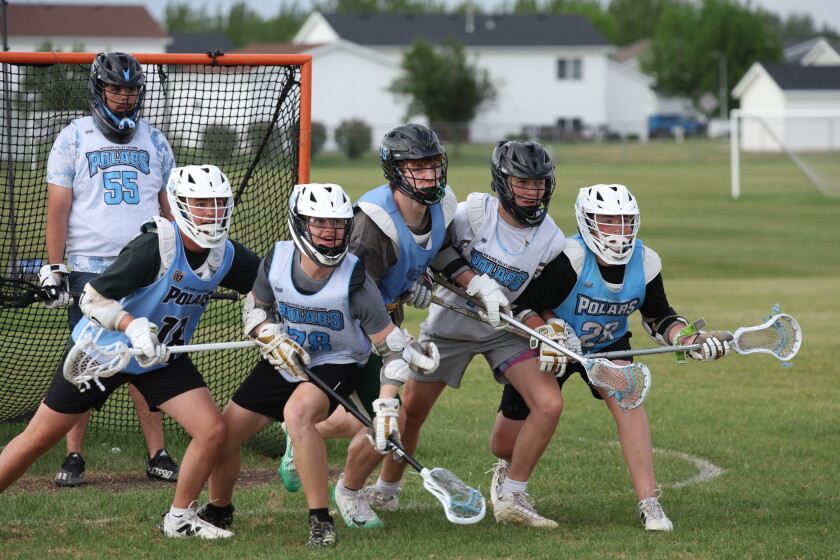
Quincy is an alumnus of the Polars program and just completed his first season of collegiate lacrosse at Division II Malone University in Canton, Ohio.
Playing attacker, he was second on the Pioneers in scoring this season with 11 goals and 19 assists for 30 points.
Quincy will transfer to North Dakota State and play for the Bison club team for his sophomore campaign. He wasn't shy to pass along lacrosse's origins to his collegiate teammates.
“I think it's one of the most important things,†Quincy said. “Because people in today's age, they don't know the history. They think, ‘Oh, it's a rich white-person sport.' If you know the history, you know it's not. So when people say lacrosse isn't a sport, it's like, ‘No, it's the oldest sport in North America.'
“I just feel like knowing the history and spreading it, it gets rid of those misconceptions that people have and it makes the game a better image than what some people look at it as.â€
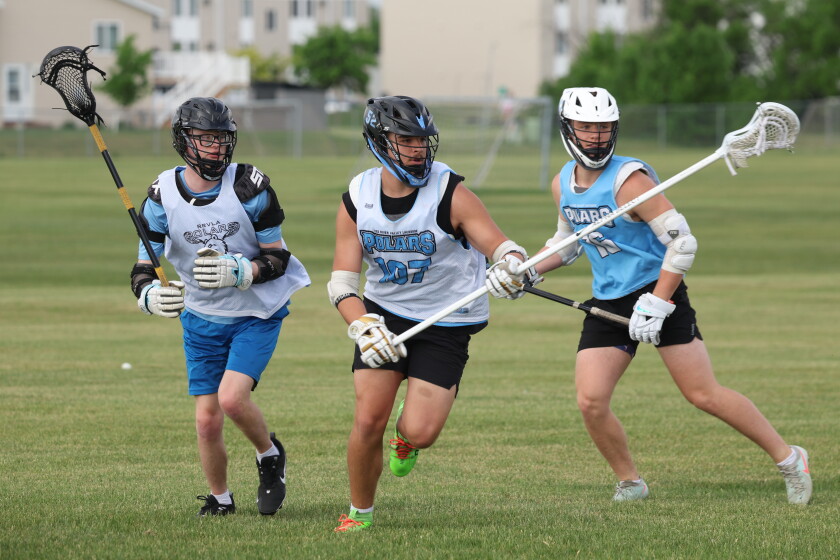
Zoë is a utility player for the Polars girls squad, primarily playing defense and goaltender but filling in at attack and midfield from time to time.
The eighth-grader picked up lacrosse after watching her older brothers play.
“I don't remember not going to their games,†Zoë said. “I just get really happy when I see the girls league getting bigger. It just makes me happy and excited to see if I can do it when I get older.â€
Deion is entering his senior year of high school and primarily plays defense or midfield for the Polars boys team. He takes pride in playing a sport deeply rooted in his heritage.
“I just think it's amazing to be a part of it,†Deion said. “Just to know that it's kind of like a sense of ownership almost. Not just me, but my whole culture … we own something that's getting bigger and better and we're able to share it with a whole bunch of people.â€
Anna Paige / The Forum
Lacrosse and its ties to Native American culture live on today. The Haudenosaunee Nationals men's team has won the bronze medal at the last three World Lacrosse Championship events and are currently ranked No. 3 in the World Lacrosse rankings. The Haudenosaunee women's team is ranked No. 8.
Traditional games continue to be played, and the Premier Lacrosse League annually hosts Indigenous Heritage Weekend to honor and celebrate the sport's roots.
The Thompson brothers — Jeremy, Lyle, Miles and Jerome — serve as inspiration for Native Americans aspiring to reach the professional ranks of the sport. All went on to have successful careers in the National Lacrosse League, while Lyle Thompson once held the NCAA Division I career records for goals (400) and assists (226) during his four-year career at Albany.
“When the boys were getting into it, the Thompson brothers were the biggest Native American image in lacrosse that we knew about,†John said. “That was obviously the boys' first look at, ‘OK, these guys are pros and they play lacrosse. We can be like them a little bit.' That's kind of a cool thing that kept them in it.â€
For John, sharing lacrosse with his family is especially meaningful.
“It's really close to my heart for me,†John said. “I love sharing it with the kids and learning it with the kids considering we didn't know anything about it beforehand. It's got a lot of history in that it's been played for so long, it kind of went away (from Native American culture), but it's coming back with the creativity, the history and the inclusiveness of it.
“Many different people can play it. Body types, speeds, learning the game together. Everybody can play. There’s a spot for everybody. As long as you've got a stick, you're in.â€
Anna Paige / The Forum
Among some Native nations, it was customary to gift newborn children a traditional wooden lacrosse stick. The stick would remain with them throughout their lives and, in some communities, was buried with them upon their death.
It's a tradition that's slowly making its way back.
“One of the more interesting things that I've learned is that this younger generation now is one of the first generations that are actually growing up with sticks in their hands since the early 1800s,†John said. “It's something I hope lives on, because I was 30-something when I found out about the game and never had a stick.
“It's something that my kids, when they make their own families, they can pass the game onto their kids and kind of keep that tradition going.â€
Anna Paige / The Forum
Quincy said the Native American version of the sport never was about winning or losing, but rather playing the game the right way.
“After (lacrosse) was given to the people, we played to entertain the Creator,†Quincy said. “It was never about winning or losing. The scoreboard doesn't matter. It's just about you playing the right way and that's kind of how I've always viewed it.â€
Anna Paige / The Forum
Anna Paige / The Forum
Anna Paige / The Forum
Anna Paige / The Forum


