
Federal officials said 10 cases of New World screwworm have been detected in Texas as of Saturday as state officials add new quarantine zones.
The additional quarantine zones from the Texas Animal Health Commission come after the screwworm was found in Tom Green County.
New World screwworm in Texas
Officials initially reported an additional case involving a dog in Andrews County on June 8. However, after further epidemiological investigation, authorities determined the animal lives in Lea County, New Mexico, and the case was reclassified as New Mexico’s first confirmed New World screwworm infection.
The Texas Parks and Wildlife Department said updates will be provided as additional cases are confirmed. The agency has established a public information page and said situation reports will be updated daily when new detections occur.
According to TAHC, five areas of the state have been designated as “infested zones” and include Coke, Edwards, Gillespie, Kerr, Kimble, La Salle, Sutton, Tom Green, Uvalde, Val Verde, Webb and Zavala counties. A quarantine is in place for those areas and warm-blooded animals cannot leave an affected area without authorization.
View the interactive map here: Interactive Map of NWS Zones
The New World screwworm is considered one of the most devastating livestock and wildlife pests in history.
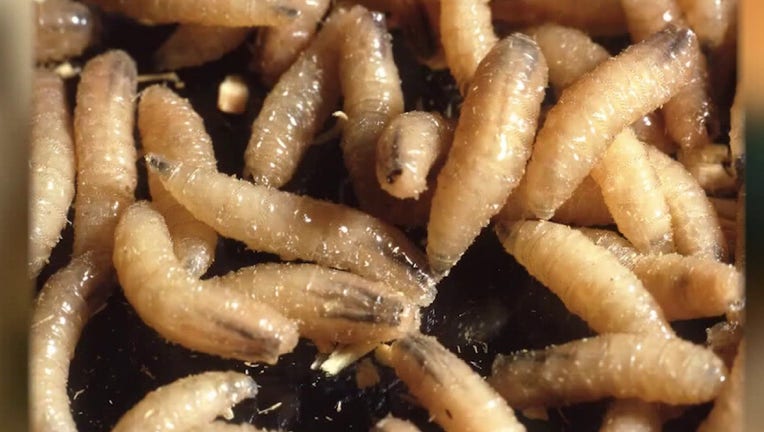
It lays its eggs in the open wounds of animals, and its larvae become parasites. Unlike common fly larvae, screwworm maggots burrow into and feed exclusively on the living flesh of warm-blooded animals, causing severe injury, massive economic loss, and death if left untreated.
The screwworm was mostly eradicated in Texas and the rest of the United States in the 60s. But now, it's moving north up from Panama and has a known presence a little over 300 miles south of the Texas-Mexico border.
Are humans at risk?
- People who sleep outdoors during the day (unhoused, campers)
- People who primarily work outdoors
- Ranchers and those who work with animals
- People with an open wound
- Those with diabetes or other skin conditions
- Keep open wounds clean and covered
- Sleep indoors or in screened shelters, and keep window screens in good repair
- Wear loose-fitting, long-sleeved shirts and pants to prevent scrapes and insect bites
- Use an EPA-registered insect repellent to prevent insect bites
- Treat clothing and gear with products containing 0.5% permethrin, which is an insecticide and repellent.
The Source: Information in this article comes from the U.S. Department of Agriculture, Texas Animal Health Commission and Texas Parks and Wildlife Department.Â