A pivotal moment in world history that shaped the United States’ role on the world stage happened in New Hampshire.World leaders met at the Mount Washington Hotel during World War II to develop a new financial system to help rebuild the post-war global economy.Guests at the resort hotel can learn about its history in a tour at 10 a.m. each morning.”I’m thrilled that they actually give a tour to explain the hotel and the history of the hotel,” said Louise Glass, of Oklahoma.For Glass, it’s the reason she traveled to Bretton Woods from Oklahoma.”It’s gorgeous, it’s famous, and this was where the Bretton Woods Conference was,” she said.Glass worked in banking for years so visiting the hotel where world leaders reshaped the global financial system during World War II carries special meaning.”You can think about all the things that make our money system work, and this was one of the things that established a base for it,” she said.Tour guide Jim Early said the location itself was part of the conference’s strategy.”The Mount Washington Hotel in the 1940s had a reputation for being inclusive,” he said. “So that was one reason to hold the conference here.”The hotel was also surprisingly connected to the outside world, and during its heyday, 50 trains per day could arrive at one of three stations.”People could come here from Philadelphia, from Boston, from New York, from Montreal, from Toronto,” Early said. “You could get here from all over the world.”Inside, delegates from 44 allied nations worked for weeks to build a post-war economic framework, hoping to avoid another worldwide depression.”This is now called the Gold Room, because the Bretton Woods monetary conference was signed here by the delegates,” Early said.Historians said the real negotiations likely happened in a downstairs bar called the Cave.The conference led to the creation of institutions like the International Monetary Fund and the World Bank, while also helping establish the U.S. dollar as the world’s dominant currency.”It is a revolutionary moment,” said University of New Hampshire history professor Kirk Dorsey.Dorsey said Bretton Woods marked a turning point for the United States, which shifted from isolationism to global economic leadership.”Here in 1944, our government is basically saying to the rest of the world, ‘We are going to build a locomotive. Attach your cars to us, and we will pull you out of a postwar depression,'” Dorsey said.Nearly 80 years later, the conference is still drawing visitors trying to understand how one meeting in New Hampshire changed the modern world.”And would we have been here if we hadn’t been a free country?” Glass said. “Where would this conference have been held, if not the United States?”
A pivotal moment in world history that shaped the United States’ role on the world stage happened in New Hampshire.
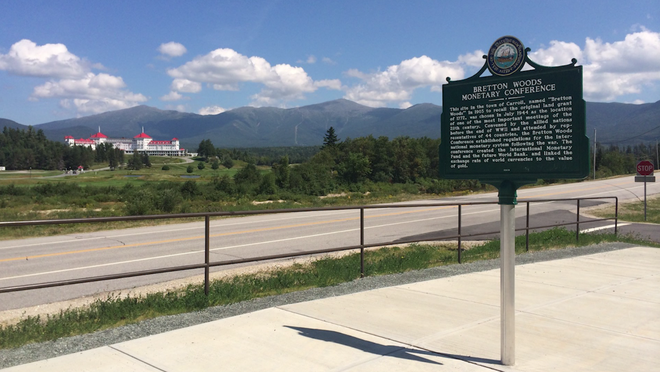
World leaders met at the Mount Washington Hotel during World War II to develop a new financial system to help rebuild the post-war global economy.
Guests at the resort hotel can learn about its history in a tour at 10 a.m. each morning.
“I’m thrilled that they actually give a tour to explain the hotel and the history of the hotel,” said Louise Glass, of Oklahoma.
For Glass, it’s the reason she traveled to Bretton Woods from Oklahoma.
“It’s gorgeous, it’s famous, and this was where the Bretton Woods Conference was,” she said.
Glass worked in banking for years so visiting the hotel where world leaders reshaped the global financial system during World War II carries special meaning.
“You can think about all the things that make our money system work, and this was one of the things that established a base for it,” she said.
Tour guide Jim Early said the location itself was part of the conference’s strategy.
“The Mount Washington Hotel in the 1940s had a reputation for being inclusive,” he said. “So that was one reason to hold the conference here.”
The hotel was also surprisingly connected to the outside world, and during its heyday, 50 trains per day could arrive at one of three stations.
“People could come here from Philadelphia, from Boston, from New York, from Montreal, from Toronto,” Early said. “You could get here from all over the world.”
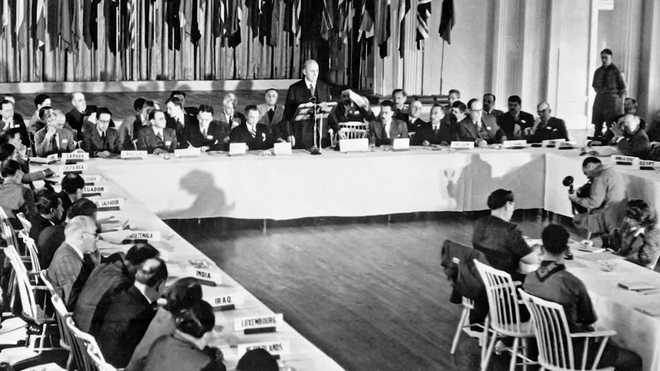
Inside, delegates from 44 allied nations worked for weeks to build a post-war economic framework, hoping to avoid another worldwide depression.
“This is now called the Gold Room, because the Bretton Woods monetary conference was signed here by the delegates,” Early said.
Historians said the real negotiations likely happened in a downstairs bar called the Cave.
The conference led to the creation of institutions like the International Monetary Fund and the World Bank, while also helping establish the U.S. dollar as the world’s dominant currency.
“It is a revolutionary moment,” said University of New Hampshire history professor Kirk Dorsey.
Dorsey said Bretton Woods marked a turning point for the United States, which shifted from isolationism to global economic leadership.
“Here in 1944, our government is basically saying to the rest of the world, ‘We are going to build a locomotive. Attach your cars to us, and we will pull you out of a postwar depression,'” Dorsey said.
Nearly 80 years later, the conference is still drawing visitors trying to understand how one meeting in New Hampshire changed the modern world.
“And would we have been here if we hadn’t been a free country?” Glass said. “Where would this conference have been held, if not the United States?”