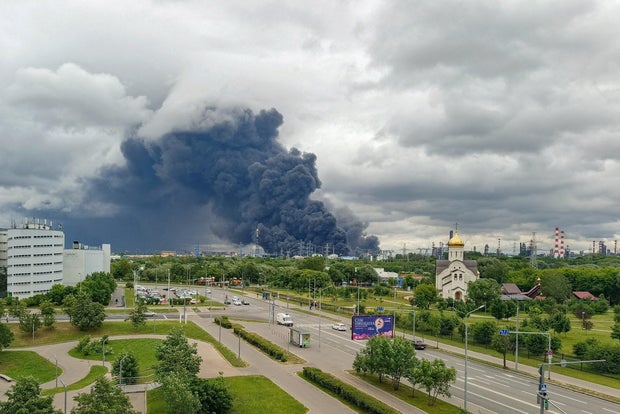
Global security risks are rising as wars, political instability, terrorism, organized crime, economic collapse and humanitarian crises affect millions of people across different regions.
In 2026, the question of which countries are the most dangerous in the world cannot be answered by crime rates alone. A country may be dangerous because of armed conflict, terrorism, weak state institutions, kidnapping risks, civil unrest, extreme poverty, health system collapse or the presence of foreign military operations, News.az reports.
International rankings usually measure danger through several indicators, including conflict deaths, violent crime, political instability, terrorism, militarization, access to weapons, displacement, humanitarian conditions and risks for travelers. Based on these factors, the following countries remain among the most dangerous in the world in 2026.
1. Sudan
Sudan remains one of the most dangerous countries in the world because of the ongoing war between rival armed forces, mass displacement, famine risks and the collapse of basic services. Millions of civilians have been forced to flee their homes, while humanitarian access remains limited in many areas.
The conflict has destroyed cities, disrupted food supplies and created one of the world’s worst humanitarian crises. For civilians, the main risks include airstrikes, ground fighting, hunger, disease, sexual violence and lack of medical care.
2. Ukraine
Ukraine continues to face one of the largest wars in Europe since World War II. Missile attacks, drone strikes, artillery fire, landmines and damaged infrastructure remain major risks across different parts of the country.
Although some areas are safer than others, the overall security environment remains highly unstable. The war has also created long-term dangers through unexploded ordnance, displaced populations and damage to energy, transport and health systems.
3. Russia
Russia is ranked among the least peaceful countries because of its involvement in large-scale war, high militarization, domestic security controls and geopolitical confrontation with Western countries.
The country faces risks linked to military mobilization, cross-border attacks, political repression, sanctions pressure and internal instability. For foreign travelers and businesses, legal and diplomatic risks are also significant.
4. Democratic Republic of the Congo
The Democratic Republic of the Congo remains highly dangerous due to armed groups, ethnic violence, illegal mining networks, mass displacement and weak state control in several eastern provinces.
Civilians face risks from killings, kidnappings, sexual violence, disease outbreaks and poor infrastructure. The conflict in eastern Congo has remained one of Africa’s most persistent security crises.
5. Yemen
Yemen continues to suffer from the long-term consequences of war, political fragmentation and humanitarian collapse. Even where active fighting has decreased, millions remain dependent on aid.
The country faces risks from armed groups, landmines, airstrikes, food insecurity, disease and economic breakdown. Maritime tensions around the Red Sea have also increased Yemen’s strategic importance in global security.
6. Afghanistan
Afghanistan remains dangerous because of terrorism, poverty, human rights concerns, weak public services and economic isolation. Although large-scale fighting has declined compared with previous years, the country still faces serious security and humanitarian risks.
Terrorist attacks, restrictions on civil society, lack of jobs, food insecurity and limited health care continue to affect daily life.
7. Syria
Syria remains fragmented after years of war. Different parts of the country are controlled by different forces, while foreign military actors and armed groups remain active.
The main dangers include airstrikes, terrorism, unexploded weapons, arbitrary detention, economic collapse and poor access to health care. Millions of Syrians remain displaced inside and outside the country.
8. South Sudan
South Sudan remains one of the world’s most fragile states. Political rivalry, ethnic violence, armed groups, floods, hunger and weak institutions continue to create severe risks for civilians.
The country faces chronic insecurity, poor infrastructure and limited access to basic services. Humanitarian organizations regularly warn that South Sudan is among the countries most exposed to worsening crisis.
9. Haiti
Haiti has become one of the most dangerous countries in the Western Hemisphere because of gang violence, kidnappings, political instability and the collapse of security institutions.
Armed gangs control large parts of the capital, Port-au-Prince, and have targeted police stations, prisons, hospitals and neighborhoods. Civilians face daily risks from shootings, extortion, sexual violence, hunger and lack of medical services.
10. Mali
Mali remains highly dangerous because of jihadist insurgencies, military rule, intercommunal violence and instability across the Sahel region.
Armed groups operate in large parts of the country, while attacks on civilians, security forces and international personnel continue. The security crisis in Mali also affects neighboring countries such as Burkina Faso and Niger.
11. Myanmar
Myanmar remains one of Asia’s most dangerous countries due to civil war, military rule and widespread armed resistance. Fighting between the military and ethnic armed groups has intensified in several regions.
Civilians face airstrikes, displacement, arbitrary arrests, internet restrictions and severe economic hardship. The conflict has also created cross-border instability in Southeast Asia.
12. Burkina Faso
Burkina Faso faces a severe security crisis linked to extremist violence, military coups and state fragility. Large areas of the country remain affected by attacks from armed groups.
The risks include village raids, kidnappings, road ambushes, school closures and mass displacement. The country is one of the main hotspots of the Sahel crisis.
13. Somalia
Somalia remains dangerous because of terrorism, clan conflict, piracy risks, weak governance and recurring humanitarian emergencies.
Al-Shabaab continues to carry out attacks against government targets, civilians and international interests. Drought, flooding and food insecurity add to the country’s instability.
14. Central African Republic
The Central African Republic remains fragile because of armed groups, weak institutions, poor infrastructure and limited state control outside the capital.
Civilians face risks from violence, displacement, illegal checkpoints, looting and lack of basic services. The country remains heavily dependent on humanitarian assistance.
15. North Korea
North Korea is dangerous in a different way from active war zones. The main risks are political repression, militarization, severe restrictions on movement, nuclear tensions and lack of transparency.
For citizens, the greatest dangers include state control, poverty, food insecurity and punishment for political dissent. For foreign nationals, detention and diplomatic complications are major risks.
16. Israel and the Palestinian Territories
The security situation in Israel and the Palestinian territories remains highly volatile due to war, rocket attacks, military operations, terrorism risks and humanitarian crisis conditions in Gaza.
The risk level varies by location, but escalation can occur rapidly. Civilians face dangers from airstrikes, ground operations, militant attacks, displacement and shortages of basic supplies.
17. Lebanon
Lebanon faces serious risks due to political paralysis, economic collapse, weak institutions and tensions along its southern border with Israel.
The country is not uniformly dangerous, but the risk of escalation remains high in some areas. Economic instability, infrastructure problems and the presence of armed groups increase the country’s vulnerability.
18. Pakistan
Pakistan faces security risks from terrorism, political instability, militant activity, sectarian violence and tensions with neighboring countries.
Most large cities continue to function, but some regions face higher risks from attacks, military operations and border tensions. Natural disasters and economic pressure also add to instability.
19. Nigeria
Nigeria faces multiple security challenges, including terrorism in the northeast, banditry and kidnappings in the northwest, separatist violence in the southeast and farmer-herder conflicts in central regions.
The country is Africa’s largest economy and has major cities with active business life, but insecurity remains severe in several areas. Kidnapping for ransom is one of the most serious risks.
20. Venezuela
Venezuela remains risky because of violent crime, political instability, economic hardship, corruption and weak public services.
While the country is not an active war zone, high crime levels, shortages, poor health care access and political tensions make it one of the more dangerous countries in Latin America.
Why Rankings Differ
There is no single universal definition of the “most dangerous country.†Some rankings focus on peace and conflict. Others focus on travel safety, crime, terrorism, health risks or humanitarian emergencies.
For example, a war zone may be extremely dangerous for civilians, while another country may be dangerous mainly because of kidnapping, gang control or weak medical care. That is why any 2026 ranking should be read as a risk assessment rather than a simple league table.
Main Factors That Make a Country Dangerous
The most dangerous countries usually share several conditions:
-
Active war or armed conflict
-
Weak government control
-
High levels of violent crime
-
Terrorist activity
-
Political instability
-
Economic collapse
-
Food insecurity
-
Poor health care access
-
Mass displacement
-
Widespread weapons availability
The presence of just one factor does not always make a country extremely dangerous. However, when several of these risks combine, the security environment can deteriorate quickly.
Which Regions Are Most Affected?
In 2026, the most dangerous regions are concentrated in several areas:
-
Eastern Europe, because of the Russia-Ukraine war
-
The Middle East, because of conflicts involving Gaza, Syria, Yemen, Lebanon and Iran-linked tensions
-
The Sahel, including Mali, Burkina Faso and Niger
-
Central Africa, especially eastern Congo and the Central African Republic
-
The Horn of Africa, including Somalia and Sudan
-
Parts of Latin America and the Caribbean, especially Haiti and Venezuela
These regions face overlapping security, political and humanitarian pressures.
Conclusion
The most dangerous countries in the world in 2026 are not dangerous for the same reasons. Some are active war zones, some face terrorism, some are affected by gang violence, and others suffer from state collapse or severe humanitarian emergencies.
Sudan, Ukraine, Russia, the Democratic Republic of the Congo, Yemen, Afghanistan, Syria, South Sudan, Haiti and Mali stand out as some of the highest-risk countries because of the scale of conflict, instability and humanitarian suffering.
For governments, businesses, journalists, aid workers and travelers, the key lesson is clear: global risk is becoming more complex. Security threats are no longer limited to traditional wars. They now include cyberattacks, economic collapse, health emergencies, organized crime, political breakdown and climate-related disasters.
Understanding these risks is essential for anyone trying to assess the global security landscape in 2026.
News.AzÂ
By Faig Mahmudov