
If you've developed World Cup fever over the past few days, then researchers at Bielefeld University want to hear about it. The team is inviting football/soccer fans to share the data collected from their smartwatches for a study on how supporters around the world physically experience their team's thrilling victories and heartbreaking defeats.
“We are interested in whether fans of different national teams react with differing intensity to the same match event, for example, whether a goal is measurably different for German fans than for Turkish or Brazilian supporters,†Dr. Christian Deutscher, co-project leader and sports scientist, said in a statement. “The World Cup provides an ideal research setting because it places fans from all over the world in comparable emotional situations at the same time.â€
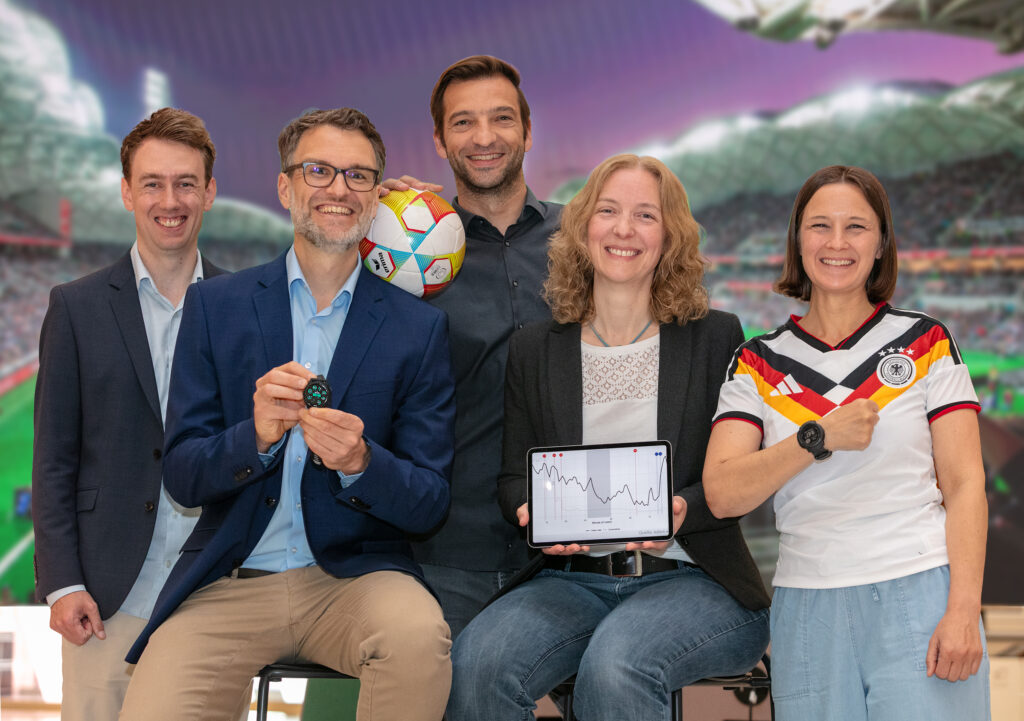
Those interested can register online, providing their country of residence, gender, and nationality, preferred team, and how intensely they identify as a supporter. When a sufficient number of fans of a particular national team has registered, the researchers will send invitations to connect their smartwatch. Throughout the rest of the World Cup, participants will also be asked which matches they watched live, if they wanted on TV, via a live ticker, or at a public viewing event.Â
The project can use smartwatches or fitness trackers from 13 brands, including Garmin, Apple, Google, and Samsung. Using a data-protection-compliant interface, the team will then have access to anonymized data from fans who have voluntarily registered for the study.Â
“The long battery life enables us to obtain uninterrupted data series over several days,†added Dr. Christiane Fuchs, a co-project leader and a data scientist.
This new study builds on research that the same team conducted during the 2025 German Football Association (DFB Cup) final between first-division club VfB Stuttgart and third-division club Arminia Bielefeld. Over 12 weeks, the team collected data from 229 Arminia Bielefeld supporters wearing smartwatches. The fans attending the match in the stadium reached an average heart rate of 94 beats per minute. By comparison, those watching on TV averaged 79 beats per minute. After goals, the heart rates recorded in the stadium measured up to 36 percent higher than those watching elsewhere. Stress levels also began to rise in fans as early as 14 hours before kick-off. The results of that study were published in February in the journal Scientific Reports.Â
Â

2025 PopSci Best of What's New
Â