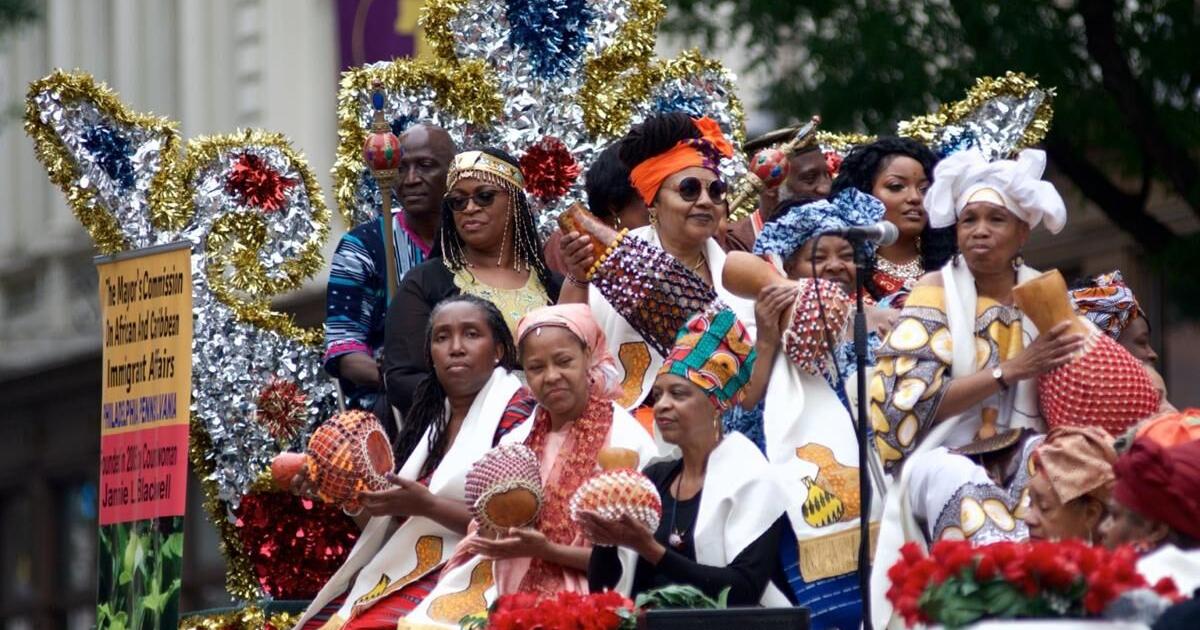
Chicago will host Black Culture Week, a citywide campaign that highlights the intersection of Black culture, wellness, freedom, creativity and community empowerment. Â
Organized by the Institute of Culture Wellness and the Chicago Juneteenth Planning Coalition, the celebration runs throughout June with a focused demonstration week from June 12-21. It will be the first public demonstration of Black Culture Wellness, a framework examining how authentic Black cultural expression contributes to health, wealth and well-being in Black communities. Â
Theodore Joseph (TJ) Crawford is the founder of the Institute of Culture Wellness and a co-founder of the Chicago Juneteenth Planning Coalition. Â
“There are a number of institutions, buildings and organizations operating in Garfield Park that are working together in a more coordinated and collaborative effort to improve the quality of life for residents,†Crawford said. “The 1865 Fest is a shining example of that and serves as a benchmark activity centered on Juneteenth. We know how important that celebration is to the Black community.â€Â

Carol Johnson is the founder of the 1865 Fest and serves on the steering committee of the Chicago Juneteenth Planning Coalition. The 1865 Fest is an annual Juneteenth celebration in Chicago's Garfield Park that honors Black culture, emancipation history and community resilience through music, food, family programming and community events. Through her work with the West Side Cultural Alliance, she builds partnerships that strengthen neighborhood identity, support local artists, amplify community voices and preserve the cultural legacy of historic Black communities. Â
“Westside Cultural Alliance is built on the culture of Chicago's West Side, so it just makes sense for us to be part of it. Because we do the 1865 Fest, which is a representation of culture, partnering with Black Culture Week goes hand in hand,†Johnson said. Â

Black Culture Week centers its work on the theme of celebrating, commemorating,and collaborating, which aligns with the broader mission of the Chicago Juneteenth Planning Coalition, according to Crawford. The coalition was originally founded in part to secure Juneteenth's recognition as an official holiday in Chicago, Cook County and Illinois. That effort ultimately coincided with Juneteenth becoming a federally recognized holiday.Â
According to Johnson, cultural organizations on Chicago's West Side face challenges in preserving and promoting community history and traditions due in part to the lack of a central, shared location for coordination and programming. Johnson added while many groups share a common vision, efforts are often fragmented without a dedicated hub to bring organizations together.Â
“There is some work underway with the Sankofa Wellness Village, a central place where we can learn and engage in our culture. One of the challenges is that not much documentation has been done in the past, so some of our history has not been captured on paper. Moving forward, we have elders who can tell these stories, but it is also a matter of time, because some of them are transitioning or passing away,†Johnson said. Â

Johnson explained that Juneteenth should not become overly commercialized, emphasizing its deep cultural and historical significance rooted in the legacy and hardships of enslaved ancestors. She added that celebrating Black culture can sometimes be complicated, as Black identity and expression are not always encouraged or fully embraced.Â
“All we're doing is celebrating our blackness and our culture for who we are, but sometimes society frames it as racial. No, it's who we are and with Juneteenth, we don't want to see it commercialized,†Johnson said. Â
Crawford added that society often benefits from Black culture while failing to fully value, protect or support the Black people who create it and continue to contribute to it, despite the discrimination and consequences they face for living authentically.Â
“The importance of recognizing Juneteenth across the entire country is to place value on both the experiences and the people who have lived through them,†Crawford said. “It is about celebrating people for the full scope of their experience, from the best of who they are to what they have endured and moving into a space of healing where we place the appropriate value, investment and attention on the Black community.â€Â