As part of the 2026 American Black Film Festival (ABFF), GLAAD, in partnership with ViiV Healthcare, hosted From Story to Impact: Black Queer Stories and Allyship Driving Culture and Change, a timely conversation exploring the power of Black queer storytelling to shape culture, challenge stigma, and drive meaningful social change.
Held on May 28 at the New World Center in Miami Beach, the panel brought together entertainment and advocacy leaders whose work continues to expand visibility and representation for Black LGBTQ communities both on and off screen.
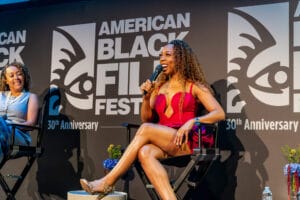
Award-winning journalist and media personality Shar Jossell moderated the conversation, guiding an engaging discussion with actor, dancer, choreographer, and executive producer Nicco Annan; comedian and actress Brandi Denise; communications leader Bithiah Lafontant; and writer and actor Kharmony Fortune.
Throughout the conversation, panelists reflected on the responsibility and opportunity creators have to tell stories that move beyond representation alone. The discussion highlighted how authentic portrayals of Black queer lives can foster empathy, challenge misinformation, and create deeper public understanding around identity, community, and HIV.
Panelists emphasized that visibility is most impactful when paired with authenticity. They explored the importance of creating nuanced characters and narratives that reflect the complexity of Black LGBTQ experiences, rather than relying on stereotypes or limiting storylines. The conversation also addressed the ongoing role of media in combating HIV stigma by helping audiences connect with real people, real experiences, and real pathways to care.
Humor, honesty, and personal reflection shaped the discussion as panelists shared insights from their own careers and experiences navigating the entertainment industry. Together, they underscored the true definition of allyship being not as a passive label, but as an active commitment to listening, advocating, and creating opportunities for historically marginalized voices.
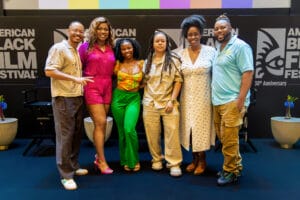
As the conversation came to a close, one message remained clear: stories have the power to do far more than entertain. When Black queer people are given the space to tell their own stories, audiences gain a deeper understanding of identity, resilience, love, and community. Those stories can challenge stigma, inspire action, and create pathways toward a more informed and compassionate world. At a time when misinformation and division continue to shape public discourse, these discussions serve as a reminder that authentic storytelling is not just representation—it is a tool for cultural change. Through film, television, and digital media, Black queer creators and advocates are helping redefine whose stories are centered, whose voices are heard, and what impact is possible when truth is allowed to take center stage.