
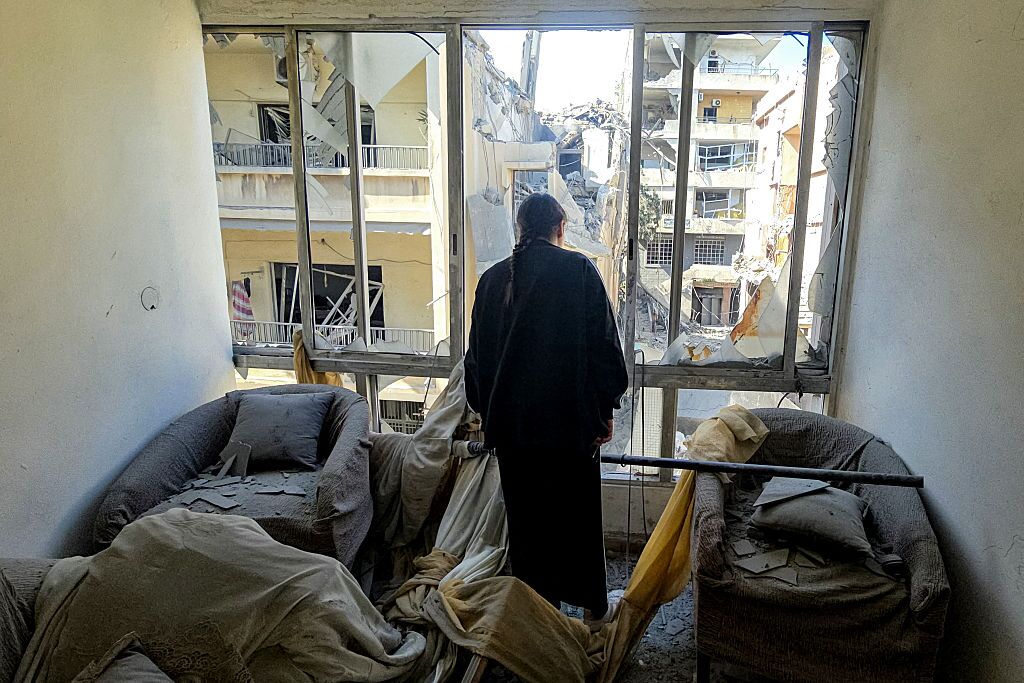
Around the world, escalating armed conflict, political repression and humanitarian collapse are reshaping daily life for women and girls—often with devastating consequences. From drone warfare in Sudan, to internet blackouts in Iran, to attacks on healthcare infrastructure in Lebanon and Gaza, women are navigating intensifying threats while also sustaining families, communities and survival networks under extraordinary strain. At the same time, women-led organizations and feminist movements confronting these crises increasingly face funding cuts, political repression and shrinking civic space even as demand for their work grows.
Globally, over 676 million women and girls live within 50 kilometers of armed conflict, representing about 17 percent of the female population. This staggering figure—a 74 percent increase since 2010—is tracked and analyzed by the Georgetown Institute for Women, Peace and Security in partnership with PRIO.
But we also know: Feminist movements around the world hold answers to some of the world's most urgent crises. Ms. Global is taking note of feminists worldwide—and the gendered realities shaping conflict, displacement, political repression and survival. (This edition of Ms. Global contains information from the Women, Peace and Security Conflict Tracker's May updates.)
Ukraine
Ukrainian Women's Groups Are Struggling to Meet Escalating Needs
Russia's mid-May aerial escalation—described by Ukraine's air force as Russia's biggest barrage against the country since the full-scale invasion and launched shortly after a brief ceasefire expired—has sharply increased civilian protection risks across Ukraine. Large-scale drone and missile strikes damaged residential areas, energy sites and other critical infrastructure. Targeted drone attacks in frontline areas have been described as a “human safari,†with first-person view and fiber-optic drones reportedly tracking and striking civilians during everyday movement, heightening protection risks for women, caregivers, older people and others seeking aid, healthcare, evacuation support and essential services.
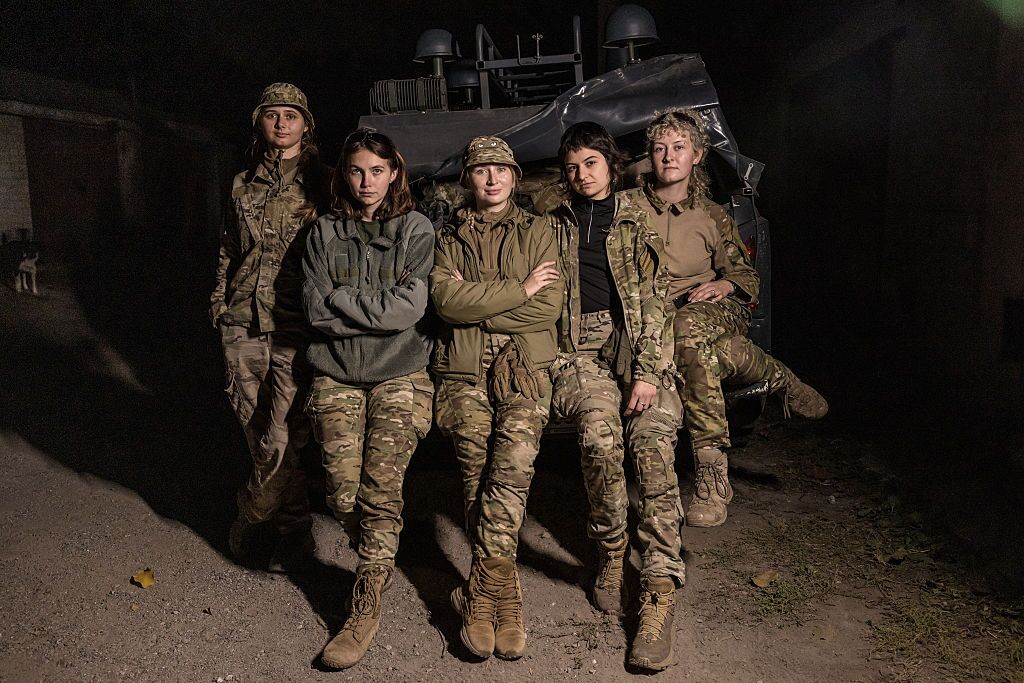
These strikes are compounding already severe gendered harms: The first three months of 2026 marked the deadliest winter for women and girls since the first year of the full-scale invasion, with 199 women and girls killed between January and March, while women's civilian casualties rose 27 percent in 2025 compared with 2024.
Humanitarian access remains dangerous, as demonstrated by the May 14 drone strike on a clearly marked U.N. humanitarian convoy in Kherson.
At the same time, nearly eight in 10 women's organizations report that funding cuts are seriously affecting their work, threatening access to survivor services, protection mechanisms and humanitarian support just as women and girls experience escalating risks.
Ukraine also faces critical legal, protection and accountability challenges. A draft Civil Code advanced by Parliament in late April has raised concerns among human rights groups over provisions that could weaken equality protections and narrow legal recognition for some families. Civil society organizations warn the draft violates European human rights standards and E.U. accession obligations, potentially undermining Ukraine's integration path.
Meanwhile, stalled negotiations, ongoing occupation and continued attacks risk entrenching harms facing women and girls in occupied areas, including conflict-related sexual violence, arbitrary detention, coercive documentation practices, and economic exclusion.
Still, May brought important accountability and recovery-financing opportunities: Progress toward a Special Tribunal for the Crime of Aggression and renewed debate over mobilizing frozen Russian assets underscore the need to pair justice for Russia's invasion with survivor-centered, gender-responsive recovery.
The Georgetown Institute for Women Peace and Security's WPS Conflict Tracker combines real-time data points and original analysis to offer gender-sensitive insight into conflict dynamics across 27 countries. (To see the complete analysis across all 27 countries monitored, visit the WPS Conflict Tracker website and explore by country.)
The WPS Conflict Tracker analyzes and identifies current risks and opportunities—including new developments, upcoming events or looming threats—for women in the 27 conflict-affected settings they monitor.
Updates for May 2026 include:
Afghanistan
Media Repression Further Silences Afghan Women
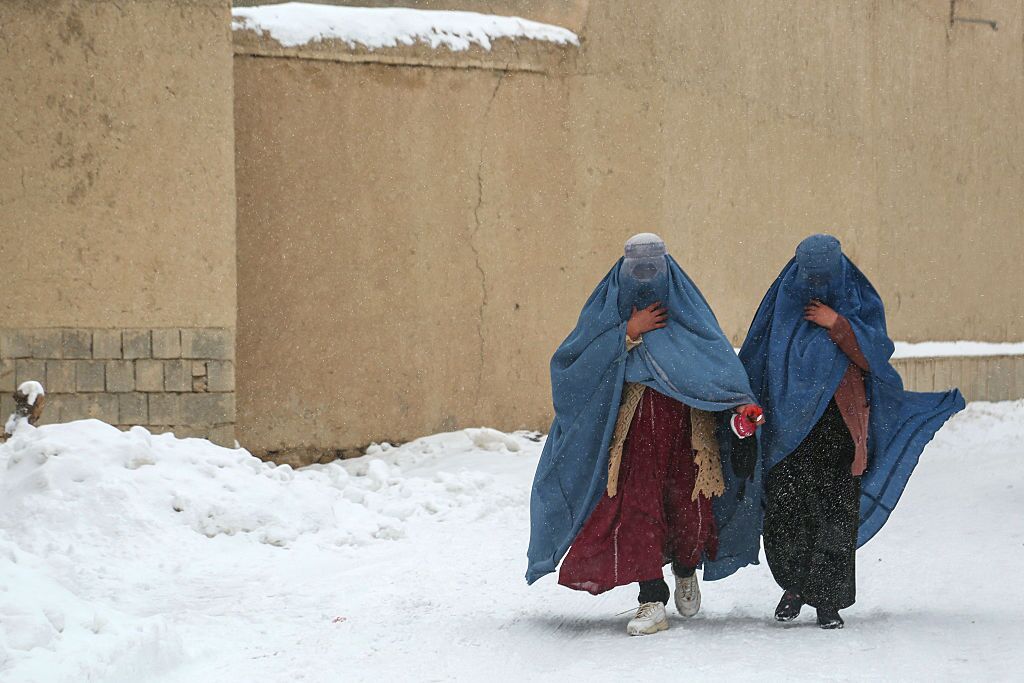
Taliban restrictions on Afghanistan's media sector are intensifying, with Afghan press freedom groups recording at least 150 violations over the past year, including threats, arrests, censorship, license revocations, outlet closures and tighter controls on reporting. Women journalists face especially severe restrictions, including mandatory dress rules and bans on broadcasting women's voices in several provinces.
Taliban threats, harassment, unsafe working conditions, unpaid or underpaid work and family pressure are pushing women out of the profession, reducing coverage of issues affecting Afghan women and girls and weakening access to information, accountability and women's public participation.
Colombia
Growing Insecurity Ahead of May 2026 Presidential Election
Colombia is experiencing severe humanitarian consequences of armed conflict as violence has surged in the months leading up to the May 31 presidential election. For women and girls—especially those in rural, Indigenous and Afro-Colombian communities—these dynamics heighten risks of displacement, food insecurity, sexual and gender-based violence, and forced recruitment by armed groups, while online harassment and political violence constrain women's participation as voters, candidates and journalists.
Democratic Republic of the Congo
Conflict-Driven Displacement Worsens Humanitarian Crisis
Conflict in eastern DRC continues to drive one of the world's largest humanitarian crises, with the country accounting for nearly one-third of global conflict-related internal displacements in 2025. Insecurity and access restrictions—particularly in South Kivu—have disrupted humanitarian assistance and overwhelmed healthcare facilities, limiting maternal care and complicating efforts to contain the outbreak of Ebola. Women and children face heightened risks of hunger, disease and gender-based violence as repeated displacement and aid cuts deepen vulnerability.
Ethiopia
Regional Instability and Election-Related Risks Constrain Women's Political Participation
Ethiopia's June 1, 2026, election is unfolding amid escalating insecurity, repression and regional volatility, including tensions with Eritrea and Sudan and wider Horn of Africa militarization.
In Amhara, the Amhara Fano National Movement has warned that electoral participation will be treated as support for the federal government, heightening risks of intimidation for voters, women candidates, journalists and activists. These tensions are especially consequential given that disputes over election timelines and Tigray's 2020 regional vote were a major flashpoint before the 2020-2022 war.
Although more than 23.1 million women are registered to vote, women comprise only 23 percent of candidates, while nearly one-third of parties and coalitions reportedly failed to field any female candidates; digital surveillance and technology-facilitated gender-based violence are further restricting women's safe political participation.
Haiti
Political Transition Stalls as Security Conditions Block Elections
Haiti's prime minister has cast doubt on whether presidential elections can be held by August 2026, warning that gang violence and insecurity remain too severe for a credible vote. With Haiti's last elections held in 2016, further delays risk deepening the political vacuum, limiting voter participation and narrowing already restricted civic space. For women—already underrepresented in political leadership—the delay risks further narrowing political space at a moment when their participation is urgently needed to shape security, justice, displacement and recovery priorities.
Iran
State Repression and Tiered Internet Access Intensify Digital Exclusion
Iran's longest recorded internet blackout has continued into May 2026, while the rollout of “Internet Pro†has created a two-tier system granting select users faster, less restricted access, as most Iranians remain cut off or reliant on costly black-market VPNs. The shutdown is deepening economic strain, restricting independent news and communication, and limiting documentation of human rights abuses amid ongoing repression. For women—who may rely on digital spaces for income, organizing and connection—restricted access compounds financial insecurity, isolates activists and survivors, and makes it harder for families to locate or identify victims of state violence.
Israel/Palestine
Humanitarian Crisis in Gaza and the West Bank
Across Gaza, the destruction of essential infrastructure—including Israel's targeted attacks on healthcare, water and food systems—continues to drive a severe gendered humanitarian emergency, with women and girls disproportionately burdened as primary caregivers.
In the West Bank, Israel's escalating settler violence, abusive detention practices and widespread sexual violence against Palestinians compound economic restrictions and exacerbate forced displacement and insecurity, heightening protection risks for women and girls.
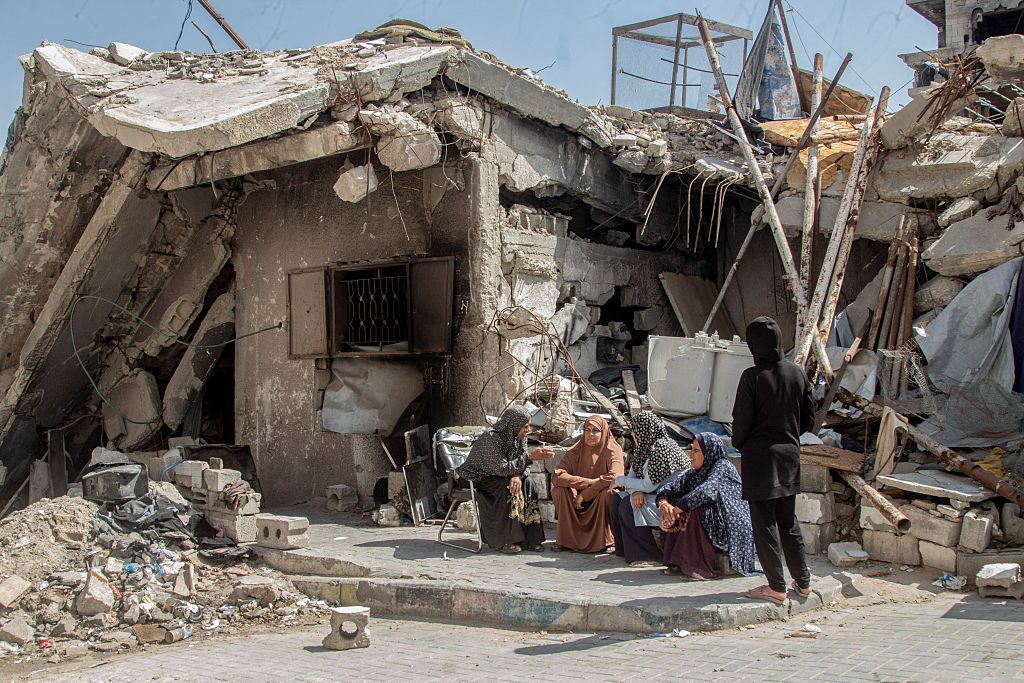
Gaza's Youth Drive Innovation
Amid widespread destruction in the Gaza Strip, Palestinian young women are developing innovative, sustainable solutions to address urgent community needs aimed at expanding access to essential services and rebuilding local infrastructure.
Lebanon
Health System Collapse and Infrastructure Damage Restrict Access to Care
Lebanon's health system remains under severe strain, with WHO recording 158 attacks on healthcare facilities since March 2026, resulting in 108 deaths and 249 injuries. Three hospitals and 41 primary healthcare centers remain closed, while six hospitals in southern governorates have not resumed maternity services, limiting safe pathways to care for pregnant women, new mothers and GBV survivors. Renewed displacement orders in southern Lebanon and Nabatieh, rising food insecurity and funding gaps are further restricting access to services.
Sudan
Drone Warfare Becomes the Leading Cause of Civilian Deaths in 2026
The rapid expansion of drone warfare in Sudan is reshaping conflict dynamics and contributing to a sharp escalation in civilian casualties, reportedly accounting for more than 80 percent of all conflict-related civilian deaths between January and April 2026. Drone attacks increasingly target areas frequented by women and girls, including schools, markets, residential neighborhoods and healthcare facilities.