
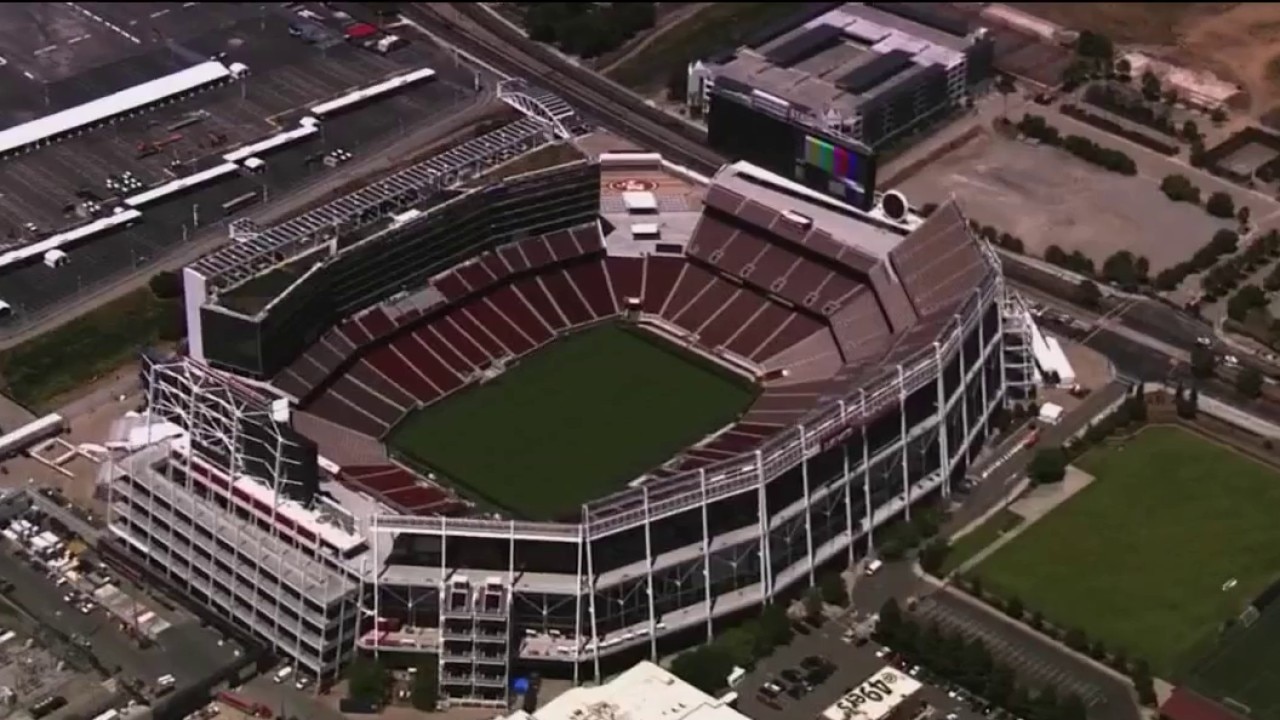
World Cup security at Levis Stadium
With the World Cup three weeks away, final preparations are underway to welcome tens of thousands of fans to venues around the nation and here in the Bay Area. Work has actually been going on for years to make sure matches are safe for fans and the community.Â
Analyzing Critical Infrastructure in World Cup Host Cities
Experts at the Idaho National Laboratory (INL) in Idaho Falls, Idaho, have been assessing these interconnected vulnerabilities as part of an overall federal security effort surrounding the tournament. Overseen by the U.S. Department of Energy, the national laboratory is historically known for its early nuclear research. Today, its focus has expanded to safeguarding the nation’s critical systems.
“Stadiums require power, water, communications,” Hembree said. “To get the water to flow to your tap, there needs to be electricity along the way somewhere. The electricity has got to be there for the water treatment plants, it has got to be there for the pump stations.”
The Idaho-based laboratory utilizes what it calls an “all-hazards framework.” This sophisticated modeling system allows both public and private sector organizations to run predictive scenarios, simulating what might happen if a vital piece of infrastructure fails for any reason including natural disaster, severe weather, or a criminal cyberattack.
The real-world implications of these simulations are significant. For example, a targeted cyberattack that shuts down a regional wastewater treatment plant used to cool a power generation station could quickly trigger a domino effect which could impact an entire region.Â
This is not the laboratory’s first time securing a major event in the South Bay. INL analysts previously mapped out infrastructure dependencies for Super Bowl 60 at Levi’s Stadium.
“I think the system there in the South Bay is one of the biggest I have seen around the country,” Hembree said, noting the complexity of the local water recycling system.
The Idaho National Laboratory does not tell public agencies nor private utility officials how to manage their operations. Many of the systemic vulnerabilities identified during these exercises are often already known to the organizations that manage the local infrastructure.